Introduction
Chitwan, located in southern Nepal, is a place that is famous for both jungle adventures with cultural charm. It is mainly famous for the Chitwan National Park, which offers many more things and activities than a typical wildlife safari.
Chitwan offers something for every kind of traveler. Whether you are searching for the rare one-horned rhino or the elusive Bengal tiger, interested in Tharu culture and their foods, or just want to float down the Rapti River, Chitwan Tour has it all. It is a place that has excellent food, beautiful and adventurous places, and is filled with cultures passed from generation to generation. Be it cultural or natural exploration, you can do everything in Chitwan.
In this guide, we take you to the best places to visit in Chitwan, the top adventures, cultural attractions, and tips to make your visit unforgettable.
Go on a Chitwan National Park Safari
Chitwan National Park Safari is the highlight of any Chitwan trip. This park was established in 1973 and covers an area of 952 square kilometers. The park has been declared a UNESCO World Heritage Site, which has resulted in a lot of foreign people coming to explore this beautiful piece of land.
With its altitude ranging from 100 to 815 meters, the park supports lush sal forests, grasslands, and wetlands that are home to over 700 wildlife species. From aerial to aquatic, the park features all kinds of living beings.
You can expect to see the following animals here:
-
Chitwan rhino (one-horned rhinoceros)
-
Royal Bengal tigers
-
Crocodiles and gharials
-
Over 540 species of birds
This is the ultimate Nepal safari destination. That’s why it is considered the best place to visit in Chitwan.
Experience the Elephant Safari or Visit the Elephant Sanctuary
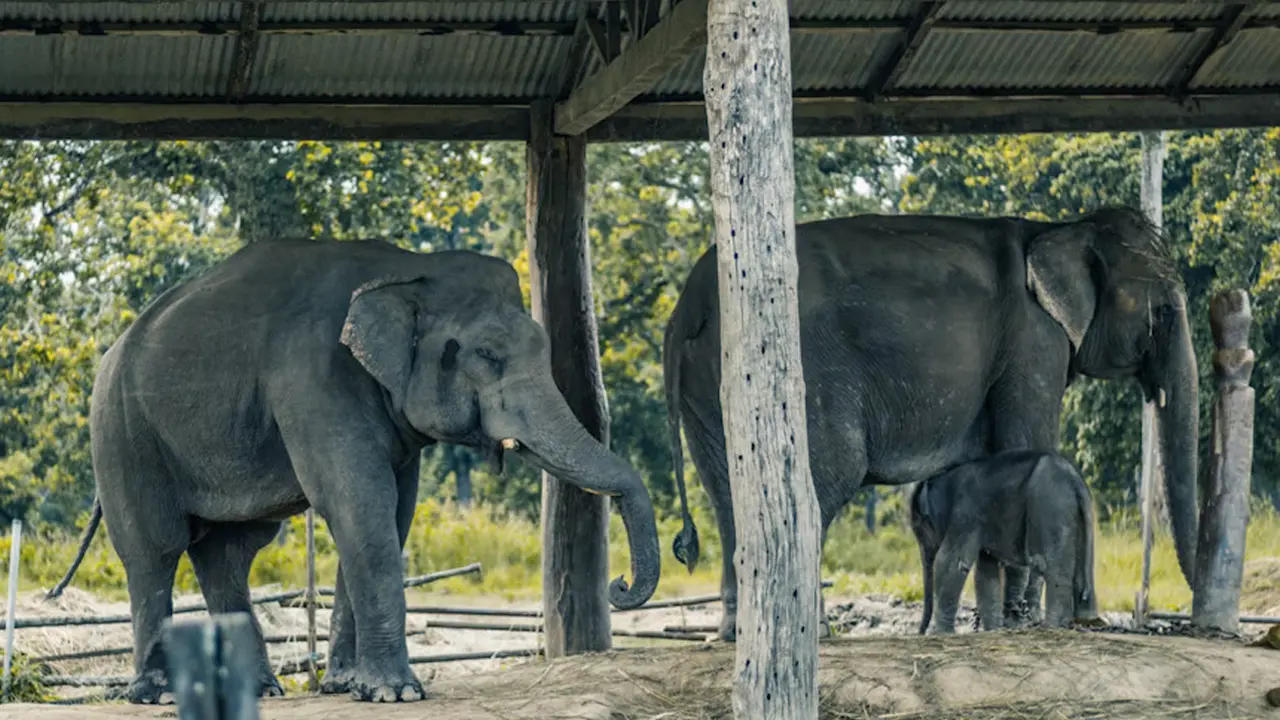
An elephant safari in Chitwan National Park has been a highlight for travelers for decades. It offers them a rare chance to explore the jungle from an unbelievable viewpoint. Riding these gentle elephants, visitors could quietly observe wildlife deep within the forest.
Though in recent years, there has been a growing shift toward more ethical and compassionate wildlife tourism. If you are the one looking for a responsible alternative, you can head to the Elephant Sanctuary in Chitwan or say the Elephant Breeding Farm.
Elephants rescued from hard labor and traditional tourism enjoy a peaceful and semi-wild life in this place. You cannot ride them here; instead, you can walk beside them, feed them, and watch them bathe. It is truly refreshing and is a very good and respectful way to connect with these magnificent animals.
It is a rewarding experience that supports both animal welfare and sustainable tourism in Nepal.
Try a Jeep Safari in Chitwan National Park
A jeep safari in Chitwan National Park is the perfect choice if you are someone who is looking for a fast-paced wildlife experience. These tough 4x4 vehicles take you deep into the heart of the jungle. They help you reach areas where you are more likely to encounter animals like leopards, sloth bears, and even the Bengal tiger. Jeep safari offers adventure and efficiency. It helps to cover more ground than other safari types available in the Chitwan National Park.
Jeep Safari Prices in Chitwan:
| Nepali Citizens | NPR 1500-3000 |
| Indian Citizens | NPR 4000- 6000 |
| Foreign Citizens | USD 25–35 per seat |
Route and duration are the major factors that determine the price of the trip. Private tours are comparatively expensive than shared tours. A jeep safari is a thrilling way to explore Chitwan's wild side. It also maximizes your chances of rare sightings.
Walk Through the Jungle: Chitwan Walking Safari
Chitwan walking safari offers one of the most thrilling experiences in the park for people seeking a raw and up-close encounter with nature. Expert naturalists and armed wildlife guards guide you inside the forest, where you walk on foot with nothing but your senses and your guide’s knowledge to rely on. Every step you take inside here brings you closer to the wild. The chirping birds, the fresh imprint of a tiger’s paw, let you experience a feeling you have never felt before.
This kind of safari is not about speed, but about depth. You feel the jungle come alive around you. The jungle is quiet, intense, and unforgettable. It is a top-of-the-line experience that is best suited for those with a sense of curiosity and a brave heart.
Enjoy Bird Watching in Chitwan
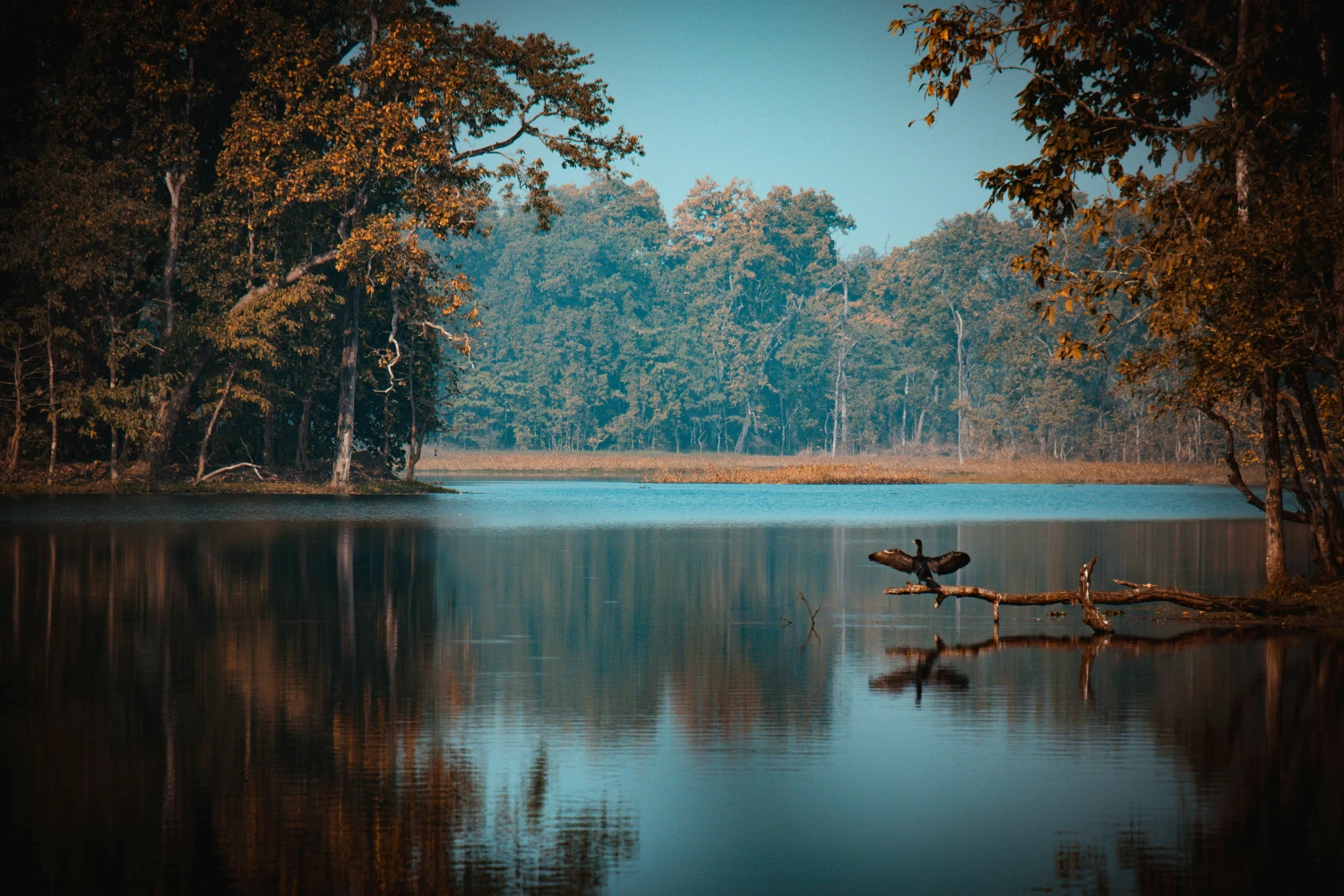
Chitwan is home to over 540 species of birds. The wetlands, forests, and riverbanks of the Royal Chitwan National Park create the perfect habitat. Keep an eye out for the giant hornbill, Bengal florican, kingfishers, egrets, and Asian paradise flycatchers. Bishhazari Tal and buffer zones near Sauraha are good spots for finding birds. The birds here are mostly seen in the early morning, so bring binoculars and a good guide. Bird watching in Chitwan is a peaceful and deeply rewarding experience, whether you are an expert or just starting.
Canoe on the Rapti River
Canoeing in the Rapti River is a very exciting activity. It lets you float past crocodiles on the banks, herds of deer, and countless birds. It is a very unique way to witness the Chitwan National Park animals from a safe and calm point. The trips last about one to two hours, and they often include walks through the jungle. The mist in the morning and the sound of waterbirds make this trip one to remember. For your safety, always travel with a local guide and in a group. The weather in Chitwan plays a major role. The monsoon season is when water levels can rise quickly and without warning, so you should avoid it.
Watch the Sunset from the Narayani River Bank
Narayani River is the perfect place to unwind after a day of adventure. Head to the riverbank around sunset time in Chitwan, Nepal, and you will be able to see the golden skies reflecting in the calm water. There is a relaxed and social vibe as locals often gather here with guitars and snacks. It is a favourite spot for photographers as it is a truly beautiful place. While going to watch the sunset there, don't forget to carry mosquito repellent spray. Even though Chitwan Nepal malaria risk is low, precautions are wise during dusk.
Dive Into Tharu Culture
In the history of Chitwan, the Tharu people have played limelight roles. The mud homes, the farming tools of yore, and the arts manifest the early traditions and culture. You should visit a Tharuhat museum or homestay on your travels. They hold good karma with nature and with the forest itself. This cultural tour complements the Chitwan safari adventure and shows the existence of conservation and community together. Tharu villages outside Sauraha, Chitwan, Nepal, have always received visitors.
Watch the Best Tharu Dance Show in Chitwan
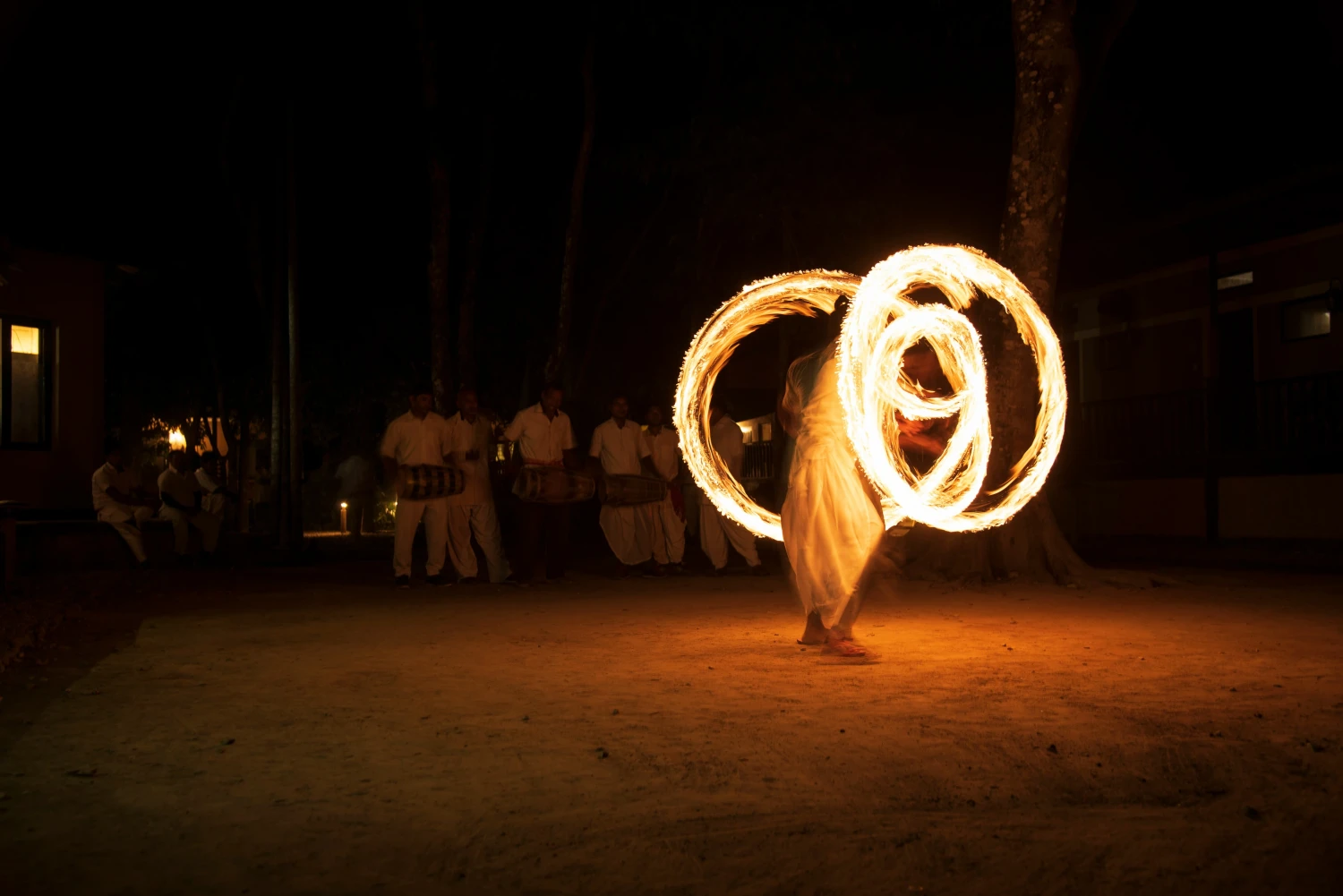
No trip is complete without seeing the best Tharu dance show in Chitwan. These performances carry traditional instruments, stick dance, and storytelling in their movement. It is held every evening in Sauraha, and the show is a testimony to the strength and traditions of the Tharu people. The dances not only entertain but also show tourists how this tribe was able to adjust to a life beside wildlife. Support local artists as you enjoy one hour of vibrant culture to remember under the stars.
Explore the Streets and Markets of Sauraha and Bharatpur
Should you seek a change of environment from the jungle, then do free some time to leisurely wander about the vibrant towns of Sauraha and Bharatpur, the twin urban hubs of Chitwan.
Sauraha is situated closer to the park entrance itself, and quite laid back with souvenir stalls, gear rental shops, cafés, and restaurants that serve away-from-traditional Nepali food to foreign cuisine. After a safari day, relaxation is in order.
Bharatpur is the district's rapidly expanding commercial hub. Here are shopping malls, cultural museums, local markets, and even venues for art and music that celebrate the creative artists of Chitwan.
Do try the Chitwan Nepal mushroom, a cherished local delicacy that is very tasty.
Exploring these towns offers a deep insight into the very life of Chitwan people, beyond the wild, where a genuine, welcoming atmosphere nurtures the blend of an age-old tradition and new growth.
Visit Chitwan Landmark Forest Park
Chitwan Landmark Forest Park offers a good choice for a calm retreat. This quiet park offers a quiet and more intimate connection to the wild, which complements your jungle safari.
Take a walk along shady trails, enjoy a picnic under trees while listening to the chirp of birds and occasional leaf-breeze, or observe wildlife at leisure. The park also serves as a wilderness retreat in Chitwan, Nepal, making it great for families, couples, or solo travelers seeking a beautiful nature experience.
What distinguishes the park from others is its push for sustainable development and nature education, encouraging its visitors to educate themselves with respect to conservation while winding down with nature at their own pace.
Being close by with nature and some of the best resorts in Chitwan, Nepal, it is a very good place to relax and reflect, and feel closer to the earth.
Try Local Cuisine in Chitwan
A fine Chitwan meal is a flavorful journey into local tradition and culture. The food of this region, influenced by the Tharu community, shows bold and earthy flavors with ingredients essentially picked from the land and rivers.
A few of the Tharu specialties: ghonghi (a rare snail curry), fish fresh from the waters of River Rapti, and maize roasted on fire. For something truly local, wild fern pickle is the way to go, which has contrasting tangy notes.
Many places to eat in Chitwan, especially those in Sauraha, prefer to use organic goods and rice that has been grown locally; hence, their food is intensely fresh and wholesome. And, of course, you must try a brew of chhyang: a fermented rice drink that gladdens your tongue with a subtle sour note. Vegetarian options are there too, with seasonal vegetable curries, dal, and Tharu-style salads featured on the menus of many local restaurants and homestays.
Wild Mushrooms of Chitwan: Nature’s Hidden Fungi
Chitwan's wild mushroom kingdom grows in the forests that develop it and an atmosphere that keeps it wet. In the buffer zones of Chitwan National Park, edible and medicinal mushrooms are found growing naturally under Sal trees or along riverbanks.
In one research done by students in Tribhuvan University, 50 species of edible mushrooms have been found for culinary purposes, for medicinal purposes, for domestic purposes, and for decorative purposes. Wild fungi have been harvested by Chitwan Nepal locals for use in traditional food preparations; this area is now gaining recognition for its exclusivity, including the very rare Chitwan Nepal mushrooms.
However, great caution must be taken since some may resemble or be confused with toxic varieties, often simply dubbed "magic mushrooms in Chitwan." In any case, visitors should never be involved in harvesting or consuming any wild mushrooms without expert guidance.
Yoga & Meditation Retreats in Chitwan
Chitwan is widely known for wildlife safaris and jungle adventures, especially around Chitwan National Park. However, beyond the thrill of spotting rhinos and tigers, Chitwan is also emerging as a peaceful destination for yoga and meditation retreats in Nepal.
Surrounded by lush forests, rivers, and the calm Terai landscape, a yoga retreat in Chitwan offers a unique opportunity to combine inner wellness with nature immersion.
Best Time to Visit Chitwan
The best time to visit Chitwan National Park is from October to March, when it has dry weather, clear skies, and the best wildlife viewing. During the cold season, animals tend to stay by water bodies, and safaris allow easy spotting of the animals. The days are mildly warm, and the evenings are filled with a cool breeze. That is a very suitable climate for going out and having fun, or rather, coming back to a cabin to relax. From April to June, Chitwan gets hot and humid with temperatures touching 35°C in some cases. A Chitwan Nepal safari may be conducted, although in such heat, it is best to avoid heading out in the afternoons.
Monsoon should be a time to avoid, with heavy rains bringing floods, leech-infested trails, and partial closure of the park; common sightings would be scattered too, in this period. Wintertime is weather-wise, comfortable, and rewarding to be in Chitwan, among sunny and dry days, perfect for jungle tours and cultural tours.
How to Get to Chitwan from Pokhara and Kathmandu (Air and Land)
Getting to Chitwan National Park has been made simple, if you enjoy speed or scenic beauty. From Kathmandu, you could opt for the shortest way-piloting to Bharatpur Airport in just 20 minutes and then get 30 minutes of road time until Sauraha, which is the main gateway of the park. From Pokhara, you can either choose the short take-off or the scenic route, a 4-5 hour-long drive on the Prithvi Highway with rivers, hills, and rural villages.
If you're wondering how to visit Chitwan National Park, every day, tourist buses and private vehicles operate from Kathmandu and from Pokhara.
Buses are the most affordable and reliable means of transport if you are running short on money. In case you need some comfort and flexibility, go for private jeeps or private cars for a smooth ride, with the freedom to stop wherever you want to stop.
Whether flying high above the valleys or driving through the majestic landscape of Chitwan, the journey marks the perfect start to that jungle escapade. We also have an itinerary for Kathmandu, Pokhara, and Chitwan Tour with the best experiences waiting just for you.
What to wear in Chitwan National Park?
Chitwan National Park safaris are best dressed for comfort and safety. Lightweight, airy clothes in muted earth tones such as khaki, olive, or brown help people to join the patriotism and not attract mosquitoes and insects. Long sleeves and trousers are encouraged to avoid sunburns, scratches, or itching from mosquitoes during the Chitwan walking safari or jeep safari in Chitwan National Park. Jungle trekking requires rugged shoes or hiking boots! The sun is scorching from March to June, so carry along a broad-brimmed hat, sunglasses, and sunscreen. Dress for a safer, fun-filled safari adventure in Chitwan.
Conclusion
Chitwan has a rather special array of adventures to offer- from rhino tracking through tall elephant grasses, canoeing down the Rapti River among crocodiles, to dancing with the Tharus in an open-to-the-stars atmosphere.
But it is all so much more than safaris. It is a journey to the heart of Nepal, where wildlife, culture, and natural beauty coalesce in absolute perfection. It’s no wonder that Chitwan National Park is consistently ranked among the best places to visit in Chitwan, Nepal. Amidst biodiversity and great hospitality, along with scenic beauty, Chitwan promises to be a memory for the ages. It is evergreen in the bucket list of any travel enthusiast heading to Chitwan.
Do you want to experience Chitwan like never before?
Bonus Tip: Visit Rampur Agricultural Campus
The Rampur Agricultural Campus in Chitwan, Nepal, is one of Nepal's main agricultural research institutes. It is a campus that teaches agroforestry, crop science, animal husbandry, and sustainable farming. A tour is good for anyone interested in the scientific approach to development, sustainability, and rural innovation.
With permission, you may tour the fields, laboratories, and butterfly demonstration farms. There, you get an insight into agricultural development efforts in the country. From advanced soil studies to trials in organic farming, the campus has great significance for the future food system of Nepal.
A visit here is an add-on to your Chitwan tour with kindness and education, which shows the coming together of nature, community, and innovation. It is a tourism site in Chitwan, Nepal, that a majority of tourists miss after visiting.
FAQs (Frequently Asked Questions)
1. Where is Chitwan National Park located?
Chitwan National Park is located in Sauraha, near Bharatpur city, which lies in Chitwan.
2. What animals are in Chitwan National Park?
There are rhinos, tigers, elephants, crocodiles, sloth bears, wild boars, and over 500 bird species in Chitwan National Park.
3. Is Chitwan National Park worth visiting?
Yes, it is absolutely worth visiting because it comes with a mix of nature, culture, and adventure.
4. What is the best time of year to visit Chitwan?
October to March, when there are clear skies and peak wildlife activity, is the best time to visit Chitwan.
5. How much does a jeep safari cost in Chitwan?
Jeep safari ranges from NPR 3,000 to 7,000, depending on nationality and tour type in Chitwan.
6. What is the Chitwan National Park entrance fee?
Chitwan National Park entrance fee is NPR 2,000 for foreigners, with lower rates for SAARC nationals and Nepalis.
7. How far is Lumbini from Chitwan?
Lumbini is approximately 115 to 130 kilometers from Chitwan, but that depends on the route.
8. How many tigers are there in Chitwan National Park?
As of the latest data, Chitwan National Park is home to around 128 Bengal tigers, making it the area with the highest tiger population in Nepal.
9. When was Chitwan National Park listed as a World Heritage Site?
Chitwan National Park was listed as a UNESCO World Heritage Site in 1984 for its exceptional biodiversity and conservation efforts.
10. What is Chitwan National Park famous for?
Chitwan National Park is famous for its wildlife safaris, one-horned rhinos, Bengal tigers, jeep and elephant safaris, and rich biodiversity, including over 500 bird species.
11. Is one day enough for Chitwan?
One day is enough for a short safari, but at least 2 to 3 days are recommended to fully enjoy Chitwan.