
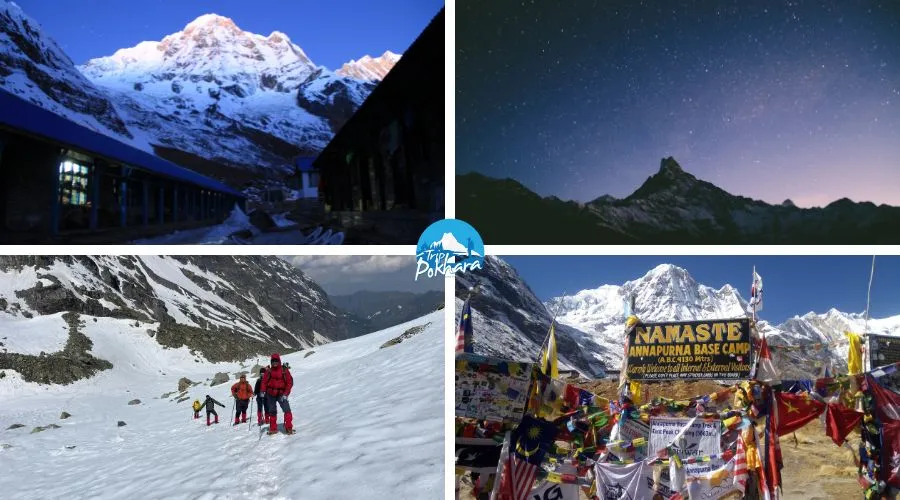
Embarking on the Annapurna Base Camp Trek in December is a unique adventure. This Annapurna trek offers a unique combination of natural beauty and cultural richness. December brings a serene atmosphere to the Annapurna region.
The trek is a journey through diverse landscapes. You'll encounter terraced fields, dense rhododendron forests, and alpine meadows. The snow-capped peaks provide a stunning backdrop.
December is a winter month in Nepal. The weather is cold, with potential snowfall. Daytime temperatures range from 10°C to 15°C, while nights can be freezing.
Trekking in December means fewer crowds. The trails are quieter, offering a more intimate experience with nature. This solitude is perfect for those seeking peace and reflection.
Proper preparation is crucial for a successful trek. Winter trekking essentials, including thermal clothing and waterproof boots, are important during winter treks. A down jacket will keep you warm during chilly nights.
Accommodation is available in teahouses along the trail. These are less crowded in December, providing a cosy retreat after a day of trekking. Enjoy local cuisine like dal bhat and momo.
Altitude sickness is a risk, so acclimatisation is important. Be aware of symptoms and take necessary precautions. Hydration and rest are key.
The trek is a unique opportunity to experience the local culture. December hosts festivals like Yomari Punhi and Tamu Lhosar. These traditional events add a cultural highlight to your adventure.
Getting a local guide or porter can enhance the overall experience of your trek. They provide valuable insights and support the local economy. Their expertise ensures a safer and more enjoyable trek.
The Annapurna Base Camp Trek in December is a rewarding and challenging experience. It combines breathtaking scenery with cultural immersion. This trek is an unforgettable journey for adventure seekers.
Why Trek Annapurna Base Camp in December?
Choosing to trek Annapurna Base Camp in December provides a unique and rewarding experience. The allure of snow-blanketed vistas is unmatched, transforming the landscape into a winter wonderland.
The crisp, clear skies in December offer excellent visibility. This is perfect for photographers wanting to capture the majestic peaks, including Annapurna I and Machapuchare. The sight of these snow-covered giants is awe-inspiring.
Another advantage of the December trek is the peace it offers. The trails are less crowded, providing solitude and introspection. You'll find yourself more in tune with the natural environment, away from the hustle of larger trekking crowds.
December’s off-peak season can result in more affordable accommodation and service prices. Teahouses along the trail might offer discounts, making the journey a bit lighter on your pocket. This is ideal for budget-conscious trekkers.
Experiencing local festivals adds a cultural richness to the trek. In December, you can witness celebrations like Yomari Punhi and Tamu Lhosar. These festivals offer insight into the rich traditions of local communities.
Safety and preparation are crucial for winter trekking. Although trekking in December requires more gear, the rewards are significant. A well-prepared trekker will enjoy the enchanting beauty without worrying about unexpected obstacles.
To further entice, consider these highlights of trekking in December:
-
Quieter trails for reflective trekking
-
Stunning clear sky views of Himalayan peaks
-
Opportunities to experience local festivals
-
More budget-friendly accommodations
-
A deeply immersive cultural journey
Engaging with local life is another incentive. December is a quieter month, allowing for deeper connections with the people you meet. These personal interactions enhance the trekking experience.
Overall, trekking the Annapurna Base Camp in December combines beauty, solitude, and cultural depth. It’s a choice for those seeking a truly memorable and distinct adventure.
Weather and Climate: What to Expect in December
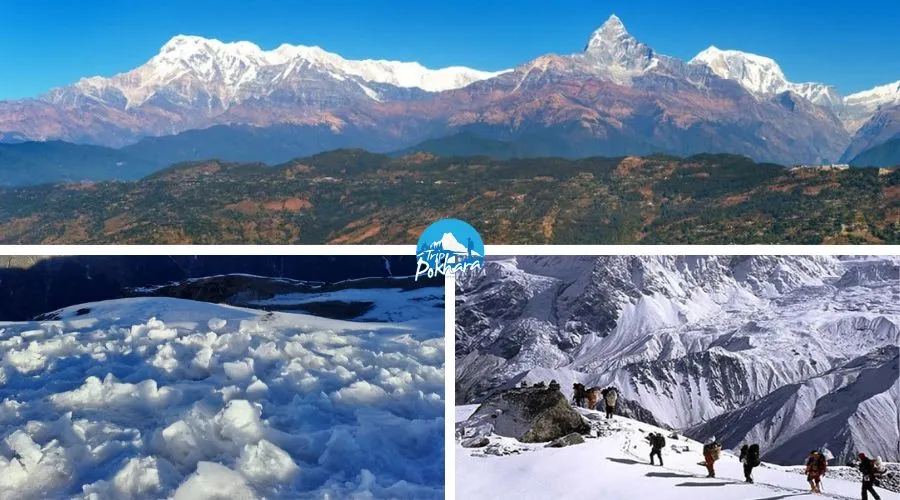
Trekking in December means experiencing winter conditions in the Annapurna region. Cold temperatures and potential snowfall characterise this month, transforming the landscape into a serene white wonderland.
Daytime temperatures during December typically range from 10°C to 15°C. Although it can be brisk during the day, the cooler climate allows for comfortable trekking without excessive sweating.
However, temperatures drop significantly at night. It's common for nighttime temperatures to dip below freezing. Trekkers must be prepared for these cold conditions, especially in higher altitudes.
Snow can accumulate on the trail, particularly in shaded areas and near the base camp. This adds a layer of challenge but also enhances the scenic beauty of the trek.
December often brings clear skies, offering excellent visibility. This clarity provides stunning panoramic views of the surrounding peaks, which are spectacularly majestic when dusted with snow.
Shorter daylight hours are another aspect to consider. The sun usually sets around 5:30 PM, meaning less time for trekking each day. This necessitates early starts to make the most of available light.
With the chances of sudden weather changes, including snowstorms, trekkers should keep updated with forecasts. Flexibility in your itinerary can help mitigate any disruptions caused by unforeseen weather conditions.
Humidity levels decrease during winter, making the air feel drier. It's important to stay hydrated and protect your skin from drying out. Using lip balm and moisturising creams can be beneficial.
Here’s a summary of what to expect from December weather:
-
Crisp daytime temperatures ranging from 10°C to 15°C
-
Nighttime temperatures are dropping below freezing
-
Potential snowfall, especially at higher altitudes
-
Clear skies provide excellent mountain visibility
-
Shorter daylight hours require earlier starts
-
Drier air needs attention to hydration and skincare
These weather conditions require proper preparation. Trekkers should pack warm clothing, including thermal layers, a robust down jacket, and a warm hat. Waterproof gear, such as boots and a rain cover, is also essential to prepare for snow or unexpected rain.
Lastly, being mentally prepared for winter’s rigours is critical. Embracing the cold as part of the adventure will make the journey more enjoyable and rewarding. With the right approach, December provides a magical backdrop for the ABC Trek.
Pros and Cons of ABC Trekking in December
December offers a unique experience for those embarking on the Annapurna Base Camp trek. The pros and cons of trekking in this month should be considered to make an informed decision.
One major advantage is the breathtaking scenery. Snow-crowned mountains and pristine landscapes feature a stunning visual feast, unmatched by any other season. The clear skies make for excellent photography and awe-inspiring views.
The solitude of the trail is another benefit. December is an off-peak trekking season, which means fewer crowds. Trekkers can enjoy a more peaceful and introspective journey, away from the hustle and bustle.
Additionally, the off-peak period often results in lower prices for accommodations and services. This can be an attractive factor for budget-conscious travellers seeking to enjoy the trek without burning a hole in their pocket.
However, there are challenges to consider. The cold temperatures can be daunting, especially for those unaccustomed to winter conditions. Trekkers need to carry extra gear to stay warm, which can increase the load.
Short daylight hours can limit the amount of trekking possible each day. To avoid being caught out after sunset, it’s important to start early and pace yourself well.
Snow and ice can also make trails slippery and potentially hazardous. This requires careful attention and proper equipment, such as trekking poles and crampons, to ensure safety.
Here’s a list summarising the pros and cons:
Pros:
-
Breathtaking winter scenery
-
Fewer crowds and more solitude
-
Lower costs for accommodations and services
Cons:
-
Cold temperatures need extra gear
-
Short daylight hours limit trekking time
-
Potentially hazardous, icy trails
Ultimately, the decision to trek in December hinges on personal preferences and preparedness. For those who relish challenges and cherish natural beauty, December offers an unforgettable experience. Yet, it’s vital to plan meticulously and equip yourself adequately for a safe and enjoyable adventure.
Annapurna Base Camp Trek Route Overview
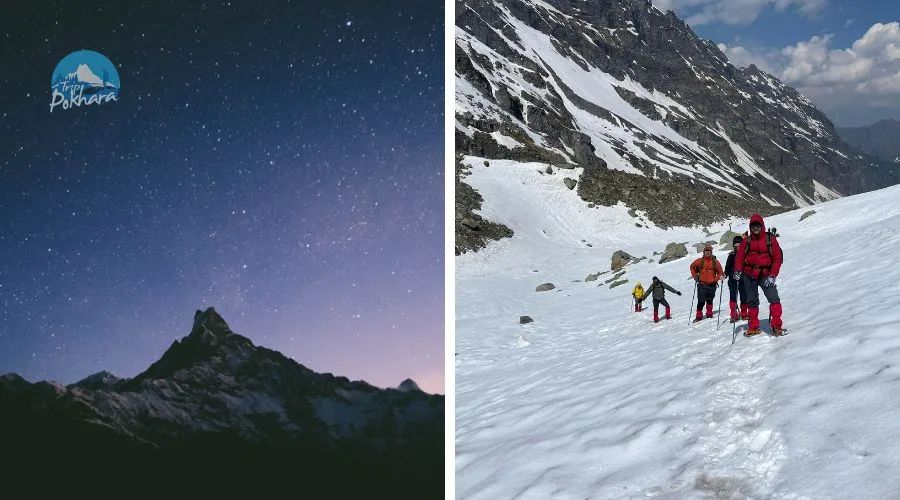
The Annapurna Base Camp Trek is one of Nepal’s most renowned trekking routes. It offers a blend of stunning landscapes, rich culture, and rewarding challenges.
The journey typically begins in Pokhara. Trekkers can enjoy a scenic drive from Pokhara to Nayapul, where the trail truly starts. The route is well-defined and passes through picturesque villages, terraced fields, and lush forests.
Trekkers will ascend through rhododendron forests towards Ghorepani. The Ghorepani village is a popular stop that offers a chance to rest and acclimatise. From here, an early morning short hike leads to Poon Hill, famous for its panoramic mountains and sunrise views.
Continuing towards Tadapani, the path meanders through beautiful countryside. Trekking deeper into the mountains, the landscape gradually transforms, revealing more dramatic alpine vistas.
The trail ventures through Chhomrong, a bustling Gurung village. Here, trekkers get a taste of local culture and hospitality. As the journey progresses, they’ll pass through Bamboo and Machapuchare Base Camp.
Reaching the Annapurna Base Camp itself is a momentous part of the trek. At an elevation of 4,130 meters, it offers a breathtaking 360-degree view of majestic snow-capped peaks.
The return journey follows the same path back to Nayapul, offering a chance to revisit favourite spots. The entire trek usually takes around 7 to 12 days, depending on the pace and chosen itinerary.
Along the way, trekkers will find numerous teahouses for shelter and food. These teahouses make the trek accessible, providing essential services along the remote path.
Main Highlights:
-
Starting point: Nayapul
-
Key stops: Ghorepani, Poon Hill, Tadapani, Chhomrong, Machapuchare Base Camp
-
End point: Annapurna Base Camp
The trek offers a remarkable experience for those prepared for its challenges. As trekkers ascend, the beauty of the Annapurna region unfolds in all its glory.
Popular Itineraries for December
Choosing the right itinerary is vital for a successful trek to Annapurna Base Camp in December. With shorter daylight and colder weather, itineraries may vary slightly from other seasons.
One common itinerary begins with a drive from Pokhara to Nayapul, followed by a trek to Tikhedhunga. The next day brings a challenging hike up the Ulleri steps to Ghorepani. Early risers can witness a spectacular sunrise from Poon Hill before heading to Tadapani.
From Tadapani, trekkers move towards Chhomrong. This village serves as the gateway to the Annapurna Sanctuary. Continuing towards Bamboo and Dovan, the trail gradually ascends into colder, more rugged terrain.
The journey continues to Deurali, offering one of the most fantastic views of the valley below. The final ascent takes trekkers past Machapuchare Base Camp. Finally, they reach Annapurna Base Camp, surrounded by towering peaks.
An alternative itinerary skips Poon Hill, focusing directly on Annapurna Base Camp. This route is slightly shorter but equally rewarding.
December’s colder conditions may require extra rest days. These can aid acclimatisation and ensure a more enjoyable trekking experience. A rest day at Chhomrong or Machapuchare Base Camp is recommended for acclimatisation.
It's vital to allow some flexibility in itineraries. Trekkers should be prepared for changes in weather or trail conditions.
Sample Itinerary:
-
Drive Pokhara to Nayapul, trek to Tikhedhunga
-
Tikhedhunga to Ghorepani
-
Poon Hill sunrise, trek to Tadapani
-
Tadapani to Chhomrong
-
Chhomrong to Bamboo/Dovan
-
Dovan to Deurali
-
Deurali to Annapurna Base Camp
Being well-prepared with the right itinerary helps navigate the unique challenges of December trekking. Proper planning makes for a safe and rewarding adventure in this stunning region.
Permits and Regulations for December Treks
Annapurna Trekking requires specific permits, even in December. Understanding these is essential for a smooth trek.
Firstly, trekkers need an Annapurna Conservation Area Permit (ACAP). This permit is mandatory as it allows access to the protected region, ensuring conservation efforts are supported.
The Trekkers' Information Management System (TIMS) card is also necessary. This card helps authorities to track the safety of trekkers for management purposes.
Both ACAP and TIMS can be obtained in Kathmandu or Pokhara. Trekkers should apply in advance to avoid any last-minute issues.
Costs for these permits vary. However, having sufficient cash in local currency ensures easier transactions.
Permits ensure environmental conservation and management of the trekking routes. They play a crucial role in preserving the natural beauty and culture of the Annapurna region.
Permit Checklist:
-
Annapurna Conservation Area Permit (ACAP)
-
Trekkers' Information Management System (TIMS) card
Trekkers should carry permits at all times. Authorities may check them at various checkpoints along the trail.
Obeying rules and regulations set by local authorities is vital. This respect for regulations contributes positively to the trekking experience and helps maintain the integrity of the region.
Accommodation and Food on the Trail in December
Accommodation along the trek Annapurna Base Camp in December is usually available in local teahouses. These provide a warm and cosy environment, crucial during cold December nights.
Teahouses often feature basic amenities. A simple bed, shared bathrooms, and a dining area are typical. Most are run by local families who offer warm hospitality.
In December, rooms might be more available due to fewer trekkers. This makes it easier to find a spot without prior booking, although it’s wise to confirm accommodation ahead when possible.
Food at these teahouses generally includes local and international dishes. Dal bhat, a traditional Nepalese meal, is a staple and provides energy for trekkers.
Variety in the menu can include soups, noodles, and pancakes. Teahouses generally cater to different tastes with both vegetarian and non-vegetarian options.
Common Dishes Available:
-
Dal Bhat (rice with lentils)
-
Momos (dumplings)
-
Noodle soup
-
Pancakes with local honey
Meals are freshly cooked, offering a wonderful break after hours on the trail. Eating well is essential for stamina and for staying warm.
Despite the remote location, teahouses often strive to maintain decent hygiene standards. Trekkers should still consider carrying water purification tablets, as tap water may not be potable.
Essential Packing List for Trek Annapurna Base Camp in December
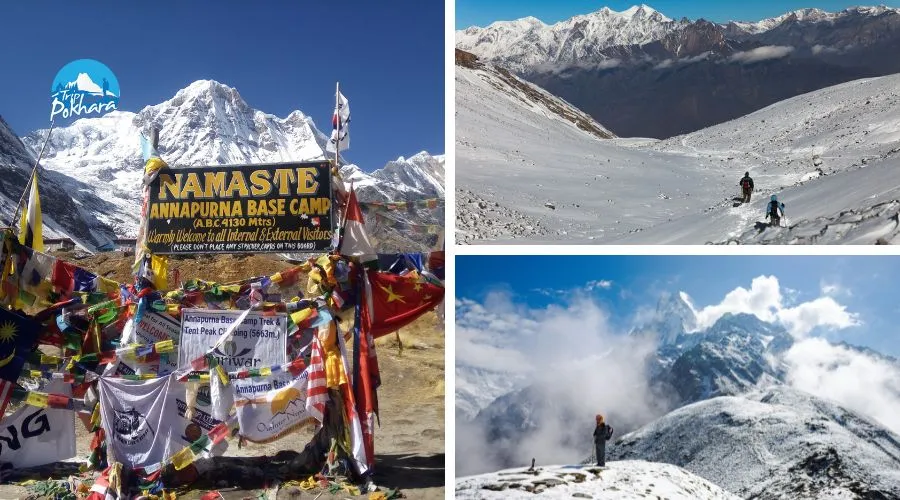
Packing for a December trek to Annapurna Base Camp requires careful planning. The cold weather demands specialised gear.
Warm clothing is essential. Layers are the best way to adapt to changing temperatures throughout the day. Start with thermal base layers.
Mid-layers such as fleece jackets provide additional insulation. A high-quality down jacket is crucial for extreme cold.
Waterproof and windproof outer layers protect against snow and wind. These are necessary for unpredictable mountain weather.
Clothing Essentials:
-
Thermal base layers
-
Fleece or woollen mid-layers
-
Down jacket
-
Waterproof and windproof jacket and pants
Footwear should provide protection and support. High-ankle trekking boots are ideal for rough terrains. Ensure they are waterproof and broken in before the trek.
Woollen socks are best to keep feet warm. Consider packing extra pairs, as wet socks can be uncomfortable and hazardous in the cold.
Accessories like hats, gloves, and scarves are vital. A warm hat will prevent heat loss through your head. Gloves should be insulated and waterproof.
Footwear and Accessories:
-
Waterproof trekking boots
-
Woollen socks (multiple pairs)
-
Warm hat and gloves
-
Neck gaiter or scarf
Carrying necessities throughout the day requires a sturdy backpack. Choose one with a 40–50 litre capacity.
Add a sleeping bag that can withstand temperatures below freezing. Even though teahouses offer blankets, having additional warmth is advantageous.
Remember to apply sunscreen. The sun can be very strong even in December. Bring a high-SPF sunscreen and sunglasses.
Toiletries, prescription medications, and a first aid kit are essential personal supplies. As a precaution, include medication for altitude sickness.
Remember, effective packing makes for a more enjoyable and comfortable trekking experience. It ensures you stay warm, safe, and prepared for the adventure ahead.
Preparing for Winter Trekking: Fitness and Training Tips
A strong foundation in fitness is necessary to prepare for a winter trek like the trek Annapurna Base Camp in December. High altitudes and a variety of terrain are part of this trek.
Cardiovascular health is essential. Exercises that improve cardiovascular endurance include cycling, swimming, and running. Participate in these activities several times a week.
Include strength training in your regimen. Pay attention to your back, core, and legs. Exercises that work well include deadlifts, lunges, and squats.
Cardio and Strength Training Tips:
-
Run or cycle 3-4 times a week
-
Perform squats and lunges for leg strength
-
Add planks and deadlifts for core stability
Trekking at high altitudes requires acclimatisation. To gradually acclimate your body, try to spend some time hiking or trekking at lower elevations.
During training hikes, get comfortable carrying a full backpack. This aids in acclimating your body to the weight you'll be carrying. Gradually increase the load after starting with a lower one.
Flexibility training should not be disregarded. To increase flexibility and lower your risk of injury, stretch frequently. Yoga is a great way to improve your endurance and flexibility.
Mental preparation is just as crucial. It takes tenacity and mental fortitude to trek in cold weather. Mental resilience can be strengthened through meditation and visualisation.
Although winter hiking is challenging, you will have a better experience if you are mentally and physically prepared. You can take in the breathtaking scenery stress-free if you are prepared.
Safety Considerations and Altitude Sickness
Trekking to Annapurna Base Camp in December requires awareness of safety and altitude sickness. It’s important to take precautions to ensure a safe journey.
Altitude sickness is a common risk for trekkers. Symptoms include headache, nausea, dizziness, and fatigue. Recognising them early is vital for your health.
Acclimatisation is key to avoiding altitude sickness. Gradually increasing your altitude and including rest days in your itinerary helps your body adjust.
Stay hydrated throughout your trek. Drinking plenty of water helps your body cope with high altitudes. Avoid consuming alcohol and caffeine, as they can cause dehydration.
Altitude Safety Tips:
-
Ascend slowly, no more than 500 meters per day
-
Include rest days in your schedule
-
Stay hydrated to aid acclimatisation
Travel insurance is essential for trekking in remote areas. Ensure it covers high-altitude trekking and helicopter evacuations, if necessary. This guarantees help in emergencies.
Carry a basic first aid kit that includes medication for common ailments like headaches, blisters, and cold symptoms. Knowing how to use these items is important.
Discuss your itinerary with guides or local experts. They can offer insights into the terrain and weather conditions. A well-informed trek is a safer trek.
In case of severe altitude sickness, descend immediately. Prioritise your safety over your itinerary. Ensure you understand local emergency procedures beforehand.
Hiring Guides and Porters in December
Hiring guides and porters for the Annapurna Base Camp Trek in December can significantly enhance your experience. They are well-versed in navigating the trails, especially in challenging winter conditions.
Guides provide invaluable local knowledge. They understand the terrain and weather conditions, ensuring your safety. Their expertise can help customise your trek based on personal interests and pace.
Porters carry your heavy gear. This allows you to trek comfortably, focusing more on the stunning landscapes and less on physical exhaustion. Having support also alleviates some of the weight of winter gear.
Opting for local guides and porters supports the community. Your choice contributes to the local economy, providing income to families in the region. It also offers cultural exchange opportunities, enriching your adventure.
When hiring, consider:
-
Experience: Choose well-recommended guides with a proven track record.
-
Communication: Ensure they speak your language for clear guidance.
-
Certification: Verify their credentials and affiliations with local agencies.
Respect the cultural norms. Remember to be polite and grateful. Your conduct should reflect appreciation for their efforts.
In December, conditions can be unpredictable. Having experienced guides and porters by your side is a wise decision. It ensures a memorable and safe journey to Annapurna Base Camp.
Unique Experiences: Festivals, Culture, and Wildlife in December
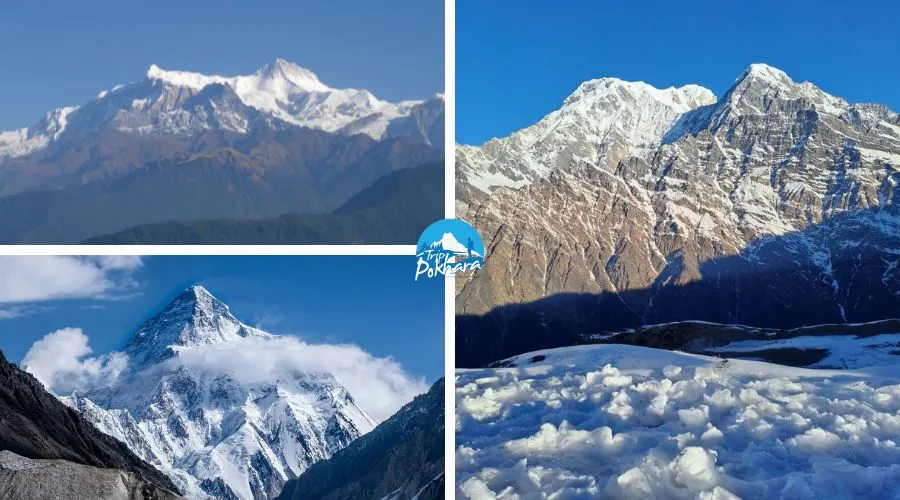
The Annapurna Base Camp Trek in December offers more than breathtaking landscapes. It provides a glimpse into the vibrant culture and traditions of the region. This time of year is full of unique experiences waiting to be uncovered.
December is a festive season in Nepal. You might witness celebrations like Yomari Punhi and Tamu Lhosar. These festivals offer insights into local beliefs and a chance to experience traditional music, dance, and cuisine.
The cultural diversity in the Annapurna region is remarkable. Trekkers can encounter ethnic groups such as the Gurung and Magar communities. Exploring their villages allows for interactions that deepen your understanding of their heritage.
In addition to cultural encounters, the wildlife in this region is intriguing. The Annapurna Conservation Area boasts diverse species. Keep an eye out for the Himalayan tahr and numerous bird species. This adds excitement to each step of the trek.
Nature enthusiasts will appreciate the winter landscape. The snow-capped peaks and serene environment create ideal conditions for wildlife photography. December provides excellent visibility, offering many photo opportunities.
Here’s what to look forward to:
-
Traditional festivals and cultural festivities
-
Interaction with local ethnic groups
-
Unique wildlife sightings and bird watching
Immersing yourself in the local culture and wildlife enhances the Annapurna trek experience. It transforms the journey from a physical challenge to an exploration of life in the Himalayas. December's blend of culture and nature promises an adventure that transcends the ordinary, offering enriching experiences and lasting memories.
Photography and Scenery: Capturing December’s Beauty
The Annapurna Base Camp Trek in December is a photographer’s paradise. The crisp winter air provides clear skies, enhancing the visibility of towering snow-covered peaks. Each turn offers stunning vistas, making it a perfect time to capture the beauty of the Himalayas.
A unique feature of trekking in December is the quiet, serene landscape. The less crowded trails allow for uninterrupted photography sessions. You can take your time to frame the perfect shot without rushing through popular viewpoints.
As you ascend, you encounter diverse scenery. From terraced fields to rhododendron forests blanketed in snow, each landscape offers a distinct beauty. The mix of natural backdrops provides endless opportunities for creative photography.
Important points for capturing December’s beauty include:
-
Utilising the soft lighting at sunrise and sunset
-
Focusing on unique snow-covered landscapes
-
Exploring diverse photography angles and perspectives
Incorporating local life into your shots adds another layer of depth. Photographs of traditional stone houses, vibrant prayer flags fluttering in the breeze, and local wildlife all contribute to a story that unfolds with each click of your camera. December’s trek presents an opportunity to capture images that tell the story of a unique Himalayan winter, with each picture showcasing the magic of this serene season.
Tips for a Successful Annapurna Base Camp Trek in December
Planning for the Annapurna Base Camp Trek in December requires careful preparation. Success hinges on understanding the unique challenges of winter trekking. With shorter daylight hours, timing is crucial. Start early to reach your destination before nightfall.
Layering your clothing is essential. Effective layering keeps you warm and allows flexibility. Wear moisture-wicking base layers, a thermal layer, and a waterproof outer layer. Don't forget a down jacket for those chilly evening hours.
It's vital to stay well-nourished and hydrated. Always carry energy snacks like nuts and dry fruits. Hydration is equally important despite the cold. Use water purification tablets to ensure a clean supply.
Key packing items for the trek include:
-
Insulated water bottle
-
Headlamp with extra batteries
-
Trekking poles for snow-covered trails
Mental preparation can be just as important. Be flexible with your itinerary. Weather changes can delay plans. A positive mindset helps you adapt and enjoy the journey.
Hiring a local guide can enrich your experience. Guides offer insights into culture and help navigate snow-covered paths. They can be invaluable, especially in unpredictable weather.
To further ensure success:
-
Regularly check weather updates
-
Acclimatise properly to avoid altitude sickness
-
Respect the local customs and traditions
Following these guidelines will enhance your trekking adventure in December, allowing you to focus on the experience itself. With the right preparation, the Annapurna Base Camp can be a truly unforgettable winter wonderland.
Conclusion: Is December Right for Your Annapurna Base Camp Trek?
Choosing December for the Annapurna Base Camp Trek is a decision marked by both opportunity and challenge. Trekkers can savour the majestic beauty of the Himalayas, with panoramic vistas highlighted by clear skies and fresh snow.
The trek in December is quieter, allowing for a more solitary and reflective journey. You'll navigate trails without the usual hustle, experiencing serene moments that are rare during peak season. This solitude can offer a deeper connection with nature and personal introspection.
However, the cold weather demands careful preparation. Trekkers need to be ready for chilly nights and possible snow. Proper gear and equipment become essential to ensure comfort and safety throughout the trek. Understanding the risks, including potential altitude sickness and sudden weather changes, is also crucial.
In conclusion, if solitude, stunning snowscapes, and cultural experiences appeal to you, December is an excellent choice for your trek. It requires a spirit of adventure and thorough preparation, but the unique rewards make it worthwhile. Assess your trekking goals, personal comfort with cold conditions, and readiness for adventure to decide if December suits your journey to Annapurna Base Camp.
Frequently Asked Questions about Annapurna Base Camp Trek in December
Trekking in December raises several common questions. Addressing these can help trekkers feel prepared and confident.
Is December a good time for the Annapurna Base Camp Trek?
December offers unique advantages like fewer crowds and stunning snow-capped views. However, cold weather demands thorough preparation.
What kind of gear is essential for trekking in December?
Winter trekking requires specific gear. A quality down jacket, thermal layers, and waterproof boots are crucial. Consider packing trekking poles and a good sleeping bag rated for cold temperatures.
Are teahouses open during December?
Yes, most teahouses remain open in December. They may have fewer guests, providing a more tranquil experience. It's wise to confirm availability in advance, especially in remote areas.
How can I prevent altitude sickness on the trek?
Proper acclimatisation is key. Take rest days, ascend slowly, and stay hydrated. Familiarise yourself with altitude sickness symptoms.
Do I need a guide for the Annapurna Base Camp Trek in December?
While not mandatory, a guide enhances safety and insight. Guides know the trails well, especially in snowy conditions, and can enrich cultural understanding.
What should I do if the weather turns bad?
Stay informed with weather forecasts and be flexible with your plans. Have a contingency plan for delays. Communicating with locals or guides is vital if weather conditions worsen.
Here are some quick takeaways:
-
Dress in layers.
-
Keep a flexible itinerary.
-
Prioritise safety over schedule.
-
Enjoy the solitude December brings.
These answers address the most pressing questions for those venturing to the Annapurna Base Camp in December.