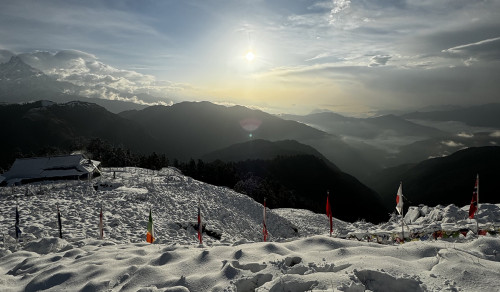
Imagine stepping into a world where the air is crisp, the trails are peaceful, and the mountains stand as timeless guardians. The Mardi Himal Trek offers an adventure that gently touches the soul, far away from the crowds of the Annapurna Circuit and Everest Base Camp Trek. Nestled in the shadow of the Annapurna Himal Range, this hidden gem takes you on a journey through untouched, tranquil landscapes that feel like a world apart.
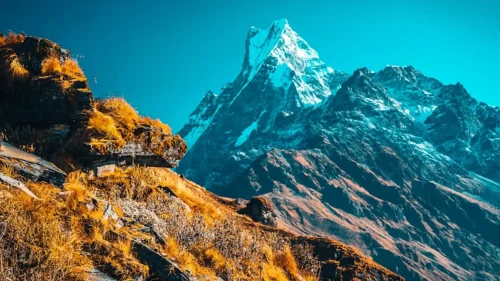
At Mardi Himal Base Camp, 4,500 meters above the earth, you’ll be rewarded with stunning views of iconic peaks like Machapuchare (Fishtail), Annapurna South, and Hiunchuli. The path winds through lush rhododendron forests, terraced farmlands, and the charming villages of the Gurung and Magar communities, where you’ll feel a deep connection to both nature and local culture.
Part of the Annapurna Conservation Area Project (ACAP), this trek is a blend of adventure and conservation, allowing you to support local economies by staying in cozy teahouses and homestays along the way. The trek takes around 5-7 days and is moderately challenging, requiring good physical fitness. Starting from Pokhara, the trek leads you through Australian Camp, Pothana, and Forest Camp, with Mardi Himal High Camp as your last stop before reaching Mardi Himal Base Camp.
If you long for a quiet, intimate experience with the Himalayas, where the mountains seem to whisper their ancient stories, the Mardi Himal Trek Itinerary awaits. Escape the crowds and let nature speak directly to your soul.
 Tea House
Morning: Drive from Pokhara to Kande (1.5 hours), where the adventure begins and unfolds slowly.
Afternoon: Trek through lush forests, passing small villages, with stunning views of the surrounding hills. Reach Australian Camp and continue to Forest Camp, a peaceful retreat that lies between the hills and forests, surrounded by nature.
 MEALS
MEALS Breakfast/ Lunch/ Dinner Tea House
Morning: Start your day trekking through dense rhododendron forests. As you ascend, catch occasional glimpses of the majestic Machhapuchhre (Fish Tail Mountain).
Afternoon: Continue the climb, with the landscape changing as you approach Low Camp, a serene spot surrounded by stunning mountain views.
MEALS Breakfast/ Lunch/ Dinner Tea House
MEALS Breakfast/ Lunch/ Dinner Tea House
MEALS Breakfast/ Lunch/ Dinner Tea House
MEALS Breakfast/ Lunch/ Dinner Hotel in Pokhara
MEALS Breakfast
Planning your Mardi Himal Base Camp trek? Choosing the right season is crucial for an unforgettable adventure. The trek offers breathtaking views of the Annapurna and Machhapuchhre mountain ranges, but the experience can vary greatly depending on the time of year. The Mardi Himal Trek weather is unique in itself, offering the best experiences any time of the year. Here's a detailed guide to help you decide the best time for the mardi himal trek:
Spring is one of the most popular seasons for the Mardi Himal trek, and for good reason. The trails come alive with vibrant rhododendron blooms, creating a colorful and picturesque journey. Mardi Himal Daytime temperatures range from 10°C to 20°C, while nights can dip to around 0°C.
Autumn is undoubtedly the best time for the Mardi Himal trek, offering stable weather and crystal-clear skies. The monsoon rains leave the trails fresh and the air crisp, making it perfect for trekking. Daytime temperatures are comfortable, and evenings are cool.
Winter offers solitude and some of the clearest skies of the year, but it comes with challenges. Daytime temperatures range from 0°C to 10°C, while nights can drop well below freezing. Snowfall is common at higher altitudes, making the trek more demanding.
The monsoon season is marked by heavy rainfall, making the trails slippery and increasing the risk of landslides. Visibility is often poor, and the muddy paths can be difficult to navigate.
Why Avoid Monsoon? The risks and challenges outweigh the rewards, making this season less suitable for trekking.
The Mardi Himal trek cost typically includes guide fees, porter services, accommodation, and meals. Hiring an experienced guide is highly recommended for the best experience and safety on the trail. The Mardi Himal trek cost from Pokhara varies depending on the season and accommodations you choose:
You need two permits to trek to Mardi Himal, which cost around $35 to $40:
ACAP (Annapurna Conservation Area Project) permit
TIMS (Trekkers' Information Management System) card
Get both in Pokhara or Kathmandu before starting your trek. This fee supports conservation and local communities.
Accommodation & Meals: USD 15-30 per day
Teahouses line the entire trail, and even if you are traveling on a budget, they offer basic, clean rooms and hearty meals (dal bhat, noodles, local dishes). Mid-range lodges have private bathrooms and better amenities. Most teahouses include breakfast and dinner with your room.
Guide & Porter: USD 25-40 per day (Optional)
Hiring local guides and porters is completely optional. A guide gives you navigation expertise and cultural insights. A porter carries your heavy bag so you trek light. If you prefer solo trekking and have good navigation skills, skip this cost entirely.
Pokhara to Trailhead: USD 10-30
Travel from Pokhara (closest major city) to the trailhead. Local buses are cheapest (USD 10-15). Private jeeps are faster but cost more (USD 25-30 each), and they will be available on a sharing basis.
Budget Travelers: USD 200-300
Go solo, stay in basic teahouses, take local buses, no guide or porter. This works if you're comfortable navigating independently. However, if you are not from Nepal, it’s recommended that you hire a guide or porter for comfort and safety.
Comfort Travelers: USD 500-700
Hire a guide and porter, stay in nicer lodges, and enjoy better meals. Everything is organized, and you trek worry-free. This price depends on the number of days you will be on the trail that ranges from 4 to 8 days or even more.
Trek solo instead of hiring a guide
Stay in the cheapest teahouses (USD 15/night)
Eat where locals eat for cheaper meals
Take local buses instead of private transport
Budget 10% tip for guides/porters if you hire them
Bring snacks from Pokhara to save money on the trail
Skip unnecessary services at lodges
Mardi Himal Trek is far less touristy than Everest or Annapurna Circuit treks. The trail is shorter (starting from 4 days), the infrastructure is basic, and fewer services exist. This keeps everything affordable without sacrificing stunning mountain views.
The trek rewards budget travelers while still offering comfort options for those who want them. Either way, you get incredible Himalayan scenery without the hefty price tag.
The Mardi Himal Base Camp Trek in Nepal’s Annapurna region is the best journey for nature lovers, showcasing an incredible variety of flora and fauna. As you traverse through forests, meadows, and alpine terrain, you’ll encounter a rich ecosystem that makes this trek truly special.
Rhododendron Forests: One of the trek’s highlights, these forests burst into vibrant red, pink, and white blooms during spring, creating a colorful and enchanting trail.
Pine and Oak Trees: The mid-altitude forests are dominated by pine and oak, providing shade and shelter for various wildlife species.
Bamboo Groves: Found in the lower regions, these groves add a tropical touch and are vital to the local ecosystem.
Himalayan Herbs and Shrubs: Medicinal plants like nettles and mint, along with wildflowers, thrive in the higher altitudes, adding to the trek’s biodiversity.
Alpine Meadows: As you climb higher, the landscape transitions to meadows filled with hardy grasses and shrubs, adapted to the harsh mountain climate.
Mammals:
Himalayan Tahr: These large mountain goats are often seen grazing on rocky cliffs.
Langur Monkeys: Playful and curious, they are commonly spotted in the lower forested areas.
Himalayan Black Bear: Though elusive, these bears inhabit the dense forests and are occasionally seen from a distance.
Red Panda: A rare and exciting sight, these nocturnal creatures are found near the tree line in higher altitudes.
Birds:
Danphe (Himalayan Monal): Nepal’s national bird, known for its vibrant plumage, is a favorite among birdwatchers.
Himalayan Griffon Vulture: These large birds are often seen circling the skies at higher elevations.
Snow Pigeons: Thriving in the colder regions, they are a common sight in the Annapurna range.
Parrots and Hawks: Found in the lower sections, adding diversity to the population of birds.
Insects:
Butterflies: Numerous species flutter along the trail, especially in warmer months, adding color to the rugged landscape.
Beetles and Moths: These insects play a crucial role in the ecosystem and are often seen in meadows and forests.
Other Creatures:
Lizards: Commonly basking on rocks in the lower trails.
Snakes: Rarely seen but occasionally spotted in the forested areas.
The Mardi Himal Base Camp Trek is part of the Annapurna Conservation Area, which works tirelessly to protect this incredible biodiversity. From rhododendron blooms to rare wildlife like the Red Panda, the trek offers a unique opportunity to connect with nature while supporting conservation efforts.
From rhododendron forests, the majestic Himalayan Tahr, to the colorful Danphe, the flora and fauna of the Mardi Himal trek make it a journey to remember. For trekkers and wildlife enthusiasts, this trail is a living showcase of Nepal’s natural beauty, featuring the diversity of plants and animals coexisting.
The Mardi Himal trek difficulty is classified as moderate, making it accessible to both novice and experienced trekkers. The trek involves daily walks of 5 to 7 hours, with some steep ascents, especially as you approach the Mardi Himal Base Camp.
No technical climbing skills required
Gradual altitude gain allows proper acclimatization
Well-established tea house infrastructure along the route
Suitable for first-time trekkers with good fitness levels
While prior trekking experience is not necessary, a good level of physical fitness is recommended due to the trek's high altitude and varied terrain. This way, the Mardi Himal trek difficulty feels ideal even for first-time trekkers who want to experience the Himalayas without the extremes of the Everest Base Camp Trek.
1. Pokhara to Kande: The starting point of the trek. (1300 m)
2. Australian Camp: A scenic viewpoint offering the first glimpse of the Annapurna range. (2060m)
3. Forest Camp: A serene stopover surrounded by dense forest takes you to this beautiful settlement, which is Forest Camp Mardi Himal. (2600 m)
4. High Camp: The final stop before the ascent to the Mardi Himal Base Camp is the Mardi Himal High Camp. (3550 m)
5. Mardi Himal Base Camp: The pinnacle of the trek, offering panoramic mountain views. (4500 m)
The Mardi Himal Trek Itinerary begins from Pokhara, a popular tourist hub in Nepal. From Pokhara, trekkers drive to Kande, the starting point of the trek. The route passes through Australian Camp, Pothana, and Forest Camp before reaching the High Camp, the final stop before ascending to Mardi Himal Base Camp. The Mardi Himal trek route offers the stunning views of mountains, making every step upward worth it, and you descend down full of memories and good vibes.
The Mardi Himal Trek route offers various options for accommodation, with tea houses available at most stops. These tea houses provide basic amenities, including meals and a place to sleep, ensuring trekkers can rest comfortably after a day on the trail.
Do you know that many people complete this trek in just 3 days? Check our 3-day guide to Mardi Himal Base Camp.
The Mardi Himal trek distance is one of the shortest high-altitude treks in Nepal, covering approximately 20-30 kilometers over 6 days. When considering the Pokhara to Mardi Himal distance, the trek begins with a short drive from Pokhara to Kande, approximately 30 kilometers away.
Daily Mardi Himal Trek Distance From Pokhara Breakdown:
Day 1: Pokhara to Forest Camp: ~12 km
Day 2: Forest Camp to Low Camp: ~8 km
Day 3: Low Camp to High Camp: ~7 km
Day 4: High Camp to Base Camp & Return: ~8 km
Day 5: High Camp to Siding Village: ~15 km
Day 6: Siding Village to Pokhara: ~25 km (by vehicle)
The manageable Mardi Himal trek distance and moderate Mardi Himal trek difficulty make this route perfect for those seeking authentic mountain experiences without extreme physical demands.
For trekkers seeking a more extensive Himalayan experience, the Mardi Himal and Khopra Danda trek combines two stunning routes. This extended itinerary takes approximately 10-12 days and covers diverse terrain:
The Mardi Himal and Khopra Danda trek offers:
Varied landscapes from rhododendron forests to alpine meadows
Multiple high-altitude camping experiences
Extensive cultural immersion with local communities
Panoramic views of multiple mountain ranges
Greater physical challenge than the short Mardi Himal trek
This combination trek is ideal for experienced trekkers or those with more time available who want to explore multiple areas of the Annapurna region.
Many trekkers wonder about combining or choosing between the Ghorepani Poon Hill trek and the Mardi Himal trek. Here's a helpful comparison:
Ghorepani Poon Hill Trek:
Duration: 4-5 days
Altitude: 3,210 meters
Difficulty: Easy to Moderate
Best For: Sunrise views and shorter treks
Famous For: Poon Hill sunrise panorama
Mardi Himal Trek:
Duration: 5-7 days
Altitude: 4,500 meters (Mardi Himal altitude)
Difficulty: Moderate
Best For: Solitude and base camp experience
Famous For: Fewer crowds and an intimate mountain experience
Some trekkers choose to do both the Ghorepani Poon Hill trek and the Mardi Himal trek in a single trip, creating a comprehensive Pokhara mountain trekking experience that showcases the diverse beauty of the Annapurna region.
To trek the Mardi Himal Trek, you'll need the following permits:
These permits can be obtained in Kathmandu or Pokhara, either through a trekking agency or independently.
Want a hassle-free trek?
Sturdy Trekking Boots
Base Layer (moisture-wicking shirt & leggings)
Mid Layer (fleece or synthetic jacket)
Outer Layer (waterproof and windproof jacket & pants)
Down Jacket
Thermal Gloves
Hat & Buff
Trekking Poles
Sleeping Bag (rated for -10°C)
Backpack (with rain cover)
Waterproof Covers for backpack
Personal First Aid Kit
Water Purification Tablets
Hand Sanitizer & Wet Wipes
Headlamp (with extra batteries)
Power Bank
Sunglasses (with UV protection)
Water Bottle or Hydration System
Camera or Smartphone
Snacks (energy bars, nuts, dried fruits)
Documents & Permits (passport, TIMS card, ACAP permit)
At Trip Pokhara, we bring Nepal’s magic to life with expertly crafted itineraries, seamless logistics, and local expertise. Our Mardi Himal Trek offers the perfect blend of cultural immersion, breathtaking landscapes, and comfortable accommodations. From Pokhara to Mardi Base Camp, our experienced guides ensure you don’t miss a moment. Whether you’re a traveler, nature lover, or keen trekker, we tailor every detail to create an unforgettable journey. With Trip Pokhara, you’re not just traveling, you’re experiencing Nepal at its finest. Choose Trip Pokhara and make us your travel companion in Nepal, ensuring your safety and memories. Choose us because we choose you to offer our finest trekking experiences to you.
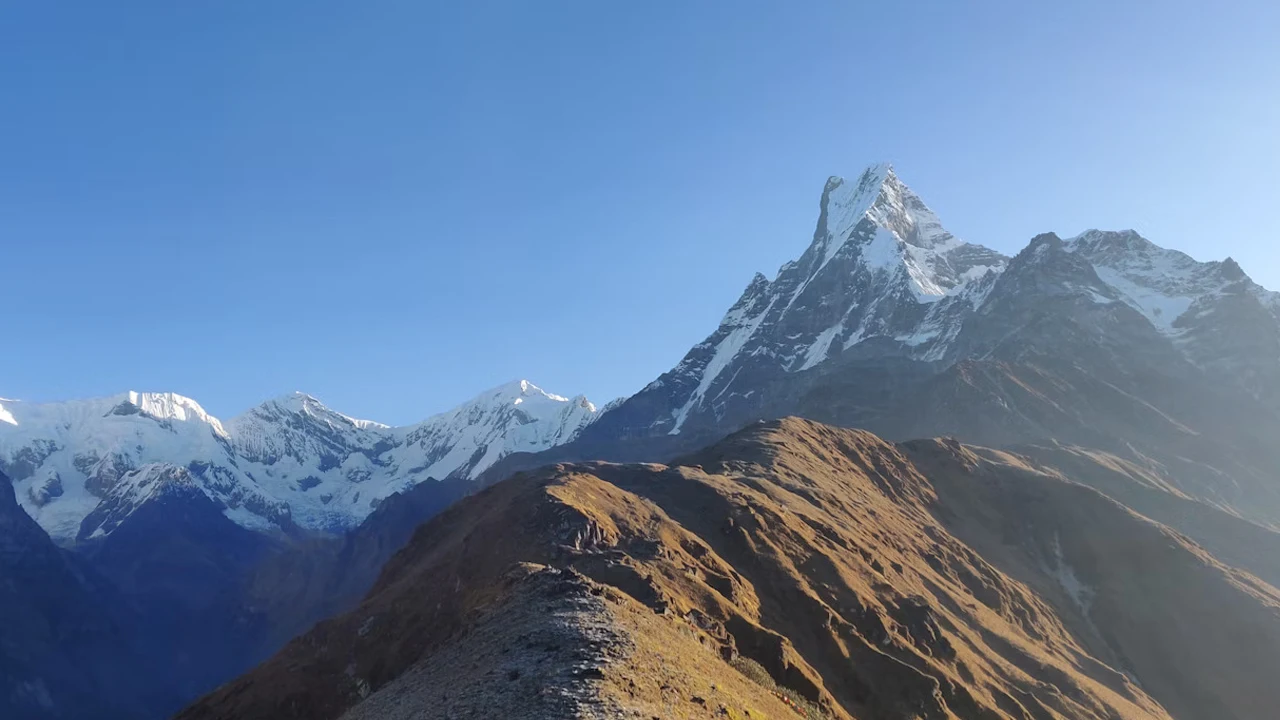
The Mardi Himal Trek offers an ideal adventure for trekkers seeking stunning Himalayan views, cultural immersion, and moderate difficulty. With breathtaking views of Annapurna and Machhapuchhre, beautiful rhododendron forests, and charming villages, it provides a rewarding experience for both beginners and experienced trekkers. It is one of the shortest treks, offering you the best mountain experience at an altitude of 4500 m.
Best trekked in spring or autumn, this trek is accessible yet challenging enough to offer a sense of accomplishment. Proper preparation, including permits and gear, ensures a safe and enjoyable journey. The Mardi Himal Trek is a perfect blend of nature, culture, and adventure, leaving you with unforgettable memories.
Pack your bags, get your permits, and start your journey now!
The Mardi Himal Trek Itinerary typically takes 5 to 7 days. The short Mardi Himal trek option can be completed in 5 days if you're experienced or opt for a faster pace, while the standard itinerary takes 6-7 days.
The Mardi Himal trek difficulty is considered moderate, suitable for beginners with good fitness levels. The trek involves some steep ascents, but doesn't require technical climbing skills, making the Mardi Himal trek difficulty level accessible to those with varying experience.
The best times to embark on the Mardi Himal Trek are during spring (March to May) and autumn (September to November). These seasons offer clear skies, mild temperatures, and the best visibility of the Annapurna and Machhapuchhre (Fish Tail) mountains.
Although the Mardi Himal trekking route can technically be done independently, hiring a guide is highly recommended. A guide provides safety, cultural insights, navigation expertise, and enriches your understanding of the region along the Mardi Himal trekking route.
The highest point of the Mardi Himal Trek is Mardi Himal Base Camp, which sits at an altitude of 4,500 meters (14,764 feet). From here, trekkers enjoy stunning panoramic views of the Annapurna and Machhapuchhre ranges.
There are no ATMs along the Mardi Himal Trek, so it is crucial to carry enough cash with you from Pokhara before starting the trek. Make sure you have sufficient funds for meals, accommodations, and any unforeseen expenses.
Throughout the trek, you will find basic tea houses that provide meals and accommodation. These tea houses offer a comfortable and affordable stay, but facilities may be basic, especially at higher altitudes. Expect simple rooms and shared bathrooms.
For the Mardi Himal Trek, you will need the following permits:
Annapurna Conservation Area Permit (ACAP)
Trekkers' Information Management System (TIMS) card
These permits can be obtained in Pokhara before starting your trek or your trekking agency can manage it for you.
Yes, but it’s advisable to trek with a partner or guide for Yes, the Mardi Himal Trek can be done solo, but it is recommended to trek with a partner or guide for safety reasons. The trail is well-marked, but having a companion can make the experience more enjoyable and provide an extra layer of security.safety.
For the Mardi Himal Trek, you should pack essential items such as:
Warm clothing (layers to adjust to varying temperatures)
A sleeping bag rated for cold temperatures (around -10°C)
Trekking poles for stability on the uneven trails
A first aid kit including personal medications, band-aids, and antiseptic wipes
The Mardi Himal Trek is moderate in difficulty but carries risks like altitude sickness, unpredictable weather, and slippery trails. Proper acclimatization, choosing the right season, and being physically prepared can minimize these risks. Trekking with a guide is recommended for safety.
Yes! The Mardi Himal and Khopra Danda trek is a popular combination, taking 10-12 days total. Many trekkers also combine the Ghorepani Poon Hill trek with the Mardi Himal trek for a comprehensive Pokhara mountain experience.
Pack layers suitable for Mardi Himal weather, a sleeping bag rated for -10°C to handle Mardi Himal altitude temperatures, sturdy trekking boots, trekking poles, and a first aid kit. Sunscreen and sunglasses are essential due to the UV intensity at Mardi Himal altitude.
The Mardi Himal trek is generally safe with proper preparation. The Mardi Himal trek difficulty is moderate, and risks like altitude sickness can be minimized through acclimatization, choosing the right season, and physical preparation. Trekking with a guide is recommended.
Mardi Himal trek cost typically includes permits (ACAP and TIMS), guide and porter fees, accommodation in tea houses, all meals, and transportation from Pokhara. The Mardi Himal trek cost varies from $400-1,200+, depending on season and comfort level.
Mardi Himal weather is best during spring (March-May) and autumn (September-November). Spring offers blooming rhododendrons, while autumn provides crystal-clear skies. Winter Mardi Himal weather brings snow and cold temperatures, while the monsoon season is wet and not recommended.
The Mardi Himal altitude reaches 4,500 meters at Mardi Base Camp Trek's highest point. The trek gains this Mardi Himal altitude gradually, starting from 822 meters in Pokhara and reaching the Mardi Himal High Camp at 3,550 meters before the final push to base camp.
Find Out Our Similar Trips
© 2011 - 2026 All rights reserved. Trip Pokhara Pvt Ltd Developed By : Xenatech Nepal



 Pokhara
, Pokhara
Pokhara
, Pokhara