Mount Everest is the glory of Nepal, and every year, thousands of visitors visit this majestic mountain. Why do some attempt to reach the summit of the world’s tallest mountain, majority trek to the Everest Base Camp to take a glimpse of this majestic peak, standing tall at an altitude of 8,848.86 meters above sea level.
But, do you know that you, as a trekker, can’t stay at the Everest Base Camp to spend the night?
You might wonder why you can’t stay at Everest Base Camp, and then who are those who spend their nights in the various available accommodations in the Base Camp?
The Nepalese government has imposed restrictions on overnight stays. These rules aim to protect the region's fragile environment. The base camp is primarily for climbers preparing to summit Mount Everest.
Trekkers usually stay in nearby villages like Gorak Shep. This allows them to experience the base camp during the day. The restrictions are part of broader efforts to promote sustainable tourism.
Whether you are planning to climb Everest or trek to the Base Camp, in this guide we will dive deeper into learning about the Everest Base Camp trek and why trekkers can’t stay at Everest Base Camp.
Understanding Everest Base Camp: Location, Purpose, and Popularity
Everest Base Camp sits in the Khumbu region of Nepal. Its location is at the foot of the world's tallest mountain, Mount Everest. Both trekkers and climbers visit this iconic spot. The base camp serves a crucial purpose for mountaineers. It acts as the primary staging area for expeditions. Climbers acclimatize and prepare here before attempting the summit.
Trekkers, on the other hand, come for a different reason. They seek the thrill of reaching this renowned location. The journey is often more memorable than the destination itself.
Wondered why the EBC trek is so popular among the trekkers? Well, it’s a symbol of adventure and challenges. Reaching the Base Camp of Mount Everest can be marked as a remarkable achievement for many travel enthusiasts.
There are several reasons for the camp's allure:
- Its proximity to Mount Everest offers an unmatched visual spectacle.
- The trek provides a deep dive into rich Sherpa culture.
- Travelers enjoy the rare mountain flora and fauna.
- The path to the base camp holds historical significance.
The Everest Base Camp Trek: An Overview
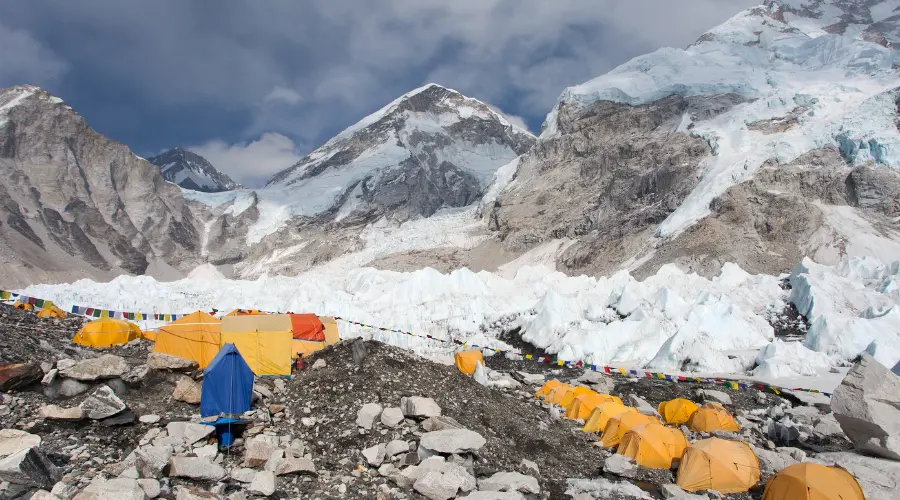
For many adventure seekers, the Everest Base Camp is at the top of their bucket-list adventure. With challenging paths, it attracts trekkers from all walks of life. Each step offers a new view and a fresh challenge.
The EBC trek typically spans about 12-14 days. It includes acclimatization days to ease altitude effects. The journey starts with a short flight from Kathmandu to Lukla, and from there the journey spans diverse landscapes.
The stunning trail of the EBC trek is a fascinating part in itself, where you will wind through picturesque landscapes and small traditional villages. For many trek
A fascinating part of the trek is the trail itself. It winds through picturesque valleys and small villages. Trekkers witness the changing scenery and vibrant local culture.
Here are some highlights of the trek:
- Sagarmatha National Park: One of the UNESCO World Heritage Sites in Nepal with unique biodiversity.
- Namche Bazaar: A bustling town and a crucial acclimatization stop.
- Tengboche Monastery: Offers spiritual insight and panoramic mountain views.
- Kala Patthar: Provides striking vistas of Mount Everest at sunrise.
Preparation is key to success on this trek. Trekkers must ensure their physical fitness to handle the rigors. It’s essential to carry proper gear and be ready for weather shifts. Altitude sickness is a real risk on this trek. Trekkers must acclimatize and take precautions. Listening to one's body is crucial to avoiding serious issues.
Reaching Everest Base Camp is more than a physical journey. It's an emotional and mental achievement too. Each trekker carries with them memories that last a lifetime.
Ultimately, the Everest Base Camp trek is an enduring experience. The trek challenges and rewards those brave enough to take it. It's not just about the destination but the journey's enriching moments.
Why Are There Overnight Restrictions at Everest Base Camp?
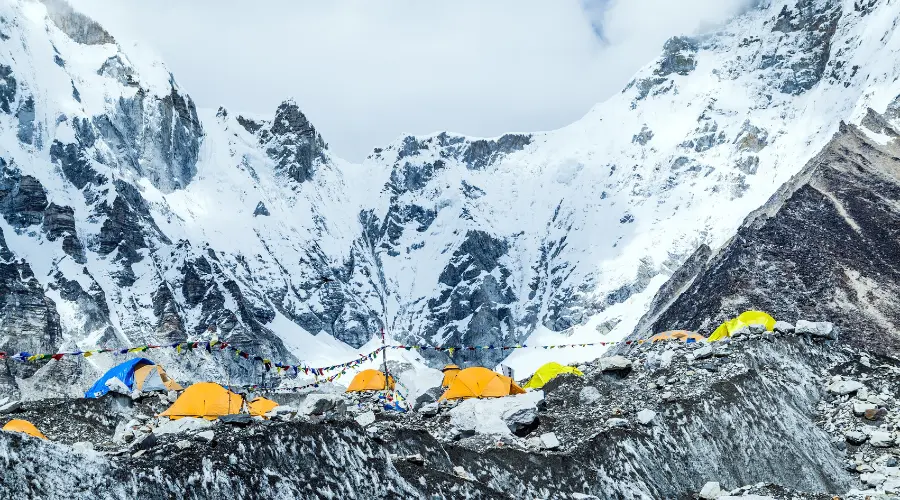
The EBC trek draws trekkers from around the world. However, the Nepalese government restricts overnight stay at Everest Base Camp. This policy stems from several significant reasons.
First, environmental conservation is a top priority. The base camp is nestled in a delicate ecosystem. Overnight presence means more waste, which harms this fragile environment.
Reducing waste is crucial for sustainable tourism. Each visitor leaves a footprint, impacting the pristine area. Restricting overnight stays helps minimize this adverse effect.
Here's a list of environmental impacts:
- Littering and waste accumulation: Visitors generate trash, which disrupts nature.
- Soil erosion: Campers cause wear and tear on the landscape.
- Disturbance to local wildlife: Noise and pollution affect native animals.
Moreover, the base camp is meant primarily for climbers. It's their staging point for summit attempts. Trekkers staying overnight could distract these climbers.
Another concern involves safety and health risks. The high altitude of Everest Base Camp poses dangers. Prolonged stays without acclimatization can lead to severe altitude sickness.
Check out these potential health risks at high altitudes:
- Altitude sickness: Symptoms include nausea, dizziness, and headaches.
- Hypothermia: Cold temperatures can escalate into life-threatening conditions.
- Dehydration: Altitude increases dehydration risk, impacting overall health.
Local authorities aim to regulate tourism sustainably. By limiting overnight stays, they protect the environment. This policy ensures the area remains beautiful for future generations. Local culture and traditions play a role as well. Sherpa communities uphold sacred beliefs about the mountains. Respecting these sentiments strengthens mutual understanding.
Additionally, nearby villages offer comfortable lodging options. Places like Gorak Shep are equipped for overnight visitors. Trekkers can explore these places while respecting base camp rules.
Trekkers need to understand the base camp’s primary role. It serves as a gateway for summit climbers. Allowing only them to stay overnight keeps the area focused on its purpose.
Lastly, following these rules is simply respectful. It honors the policies set by those managing the land. Adhering to regulations safeguards both the trekkers and the site.
In summary, Everest Base Camp overnight restrictions are multifaceted. They protect the environment, ensure safety, and respect local customs. Trekkers play a key role in upholding these principles.
Environmental Concerns and Preservation Efforts
Mount Everest's awe-inspiring beauty draws many admirers. Yet, its ecosystem remains sensitive and vulnerable. The influx of trekkers and climbers presents environmental challenges.
Preservation is crucial to maintaining Everest’s natural charm. Historical neglect has led to widespread littering at high altitudes. Past expeditions left behind gear and waste, marring the pristine landscape.
The Nepalese government now emphasizes environmental care. Their policies aim to balance tourism with nature conservation. The overnight restrictions are a vital part of this strategy.
Preserving the Himalayan environment involves various initiatives. Here are some key efforts:
- Trash management systems: Introduced to reduce littering.
- Strict expedition regulations: Climbers must follow guidelines about waste disposal.
- Educational programs: Informing trekkers about the ecological impact of their actions.
The mountain's glaciers and ecosystems are fragile. Glacial melt due to climate change is a pressing issue. Minimizing human impact helps counter these environmental challenges.
Trekkers carry a responsibility to support sustainability. Simple actions can have a significant impact. Trekkers should be bound to the "Leave No Trace" principles.
Local communities play an essential role. Sherpas and residents promote sustainable practices. They collaborate with conservationists to ensure long-term environmental health.
There's a clear need for continuous awareness among trekkers. Understanding the consequences of their presence is vital. Such awareness encourages responsible and eco-friendly practices.
Preservation efforts have improved due to technological advancements. Satellite photography tracks ecological changes over time. Authorities can use this information to make well-informed decisions about limits.
One facet of preservation is cleanliness. Protecting the cultural landscape is equally vital. Respecting the spiritual significance of the mountains is one facet of conservation.
These projects come together to form a comprehensive plan. They aim to preserve Everest's breathtaking scenery for upcoming adventurers. While making sure the mountain is unspoiled, hikers can enjoy the experience.
Environmental concerns require global cooperation. Governments, environmental groups, and trekkers must all participate. These efforts reflect a shared commitment to sustainable mountain tourism.
The delicate balance of Everest's ecosystem must be protected. Every visitor holds responsibility for reducing their ecological footprint. Through awareness and action, Everest's splendor can endure for generations.
Who Can Stay Overnight at Everest Base Camp?
Everest Base Camp isn't entirely off-limits for overnight stays. The restrictions primarily target casual trekkers. Mountaineers in organized climbing teams are an exception.
These climbers require time to acclimatize. The base camp serves as their temporary home during summit preparations. They need to adjust to high altitudes for a successful ascent.
Climbers undergo rigorous approval before staying overnight. Various permits and clearances are mandatory. This includes permission from Nepali authorities and proper documentation.
Here’s who typically can stay at Everest Base Camp:
- Climbers: Those attempting to summit Mount Everest.
- Support staff: Sherpas and other expedition team members.
- Medical personnel: Health professionals ensuring climbers' safety.
Anyone not part of a climbing team typically must stay at nearby villages like Gorak Shep. These settlements offer accommodations for trekkers. They provide a base for visiting the camp without overnight stays.
Although restrictions are strict, they serve essential purposes. They limit environmental impact and ensure the safety of individuals unfamiliar with harsh conditions. The high-altitude environment poses unique challenges, even to seasoned adventurers.
Overall, ensuring safety and reducing environmental stress are top priorities. By enforcing these restrictions, authorities aim to preserve the unique wilderness experience of the Everest region for future generations.
The Role of the Nepalese Government and Local Authorities
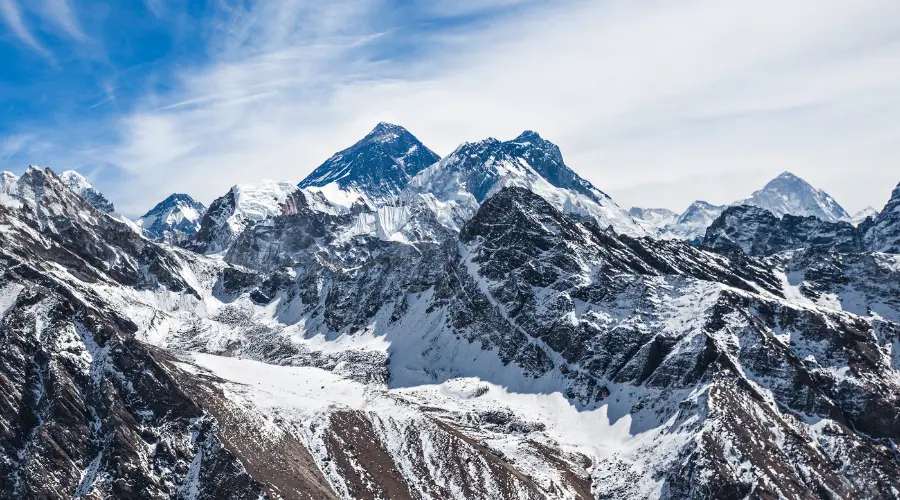
The Nepalese government plays a pivotal role in the management of Everest Base Camp. Their primary aim is to safeguard both the environment and the trekking experience. They have instituted various measures to achieve this balance.
To enforce these rules, local authorities collaborate closely with the government. Their presence protects the landscape and guarantees compliance. They oversee and control trekking operations in the vicinity of the base camp.
The collaboration between governmental bodies and local agencies focuses on several key objectives. These include:
- Conserving natural landscapes: Protecting ecosystems from excessive wear.
- Promoting sustainable tourism: Ensuring that activities do not compromise future opportunities.
- Enhancing safety measures: Minimizing risks associated with trekking and climbing.
Local communities are directly involved in these efforts. They provide essential services and support to trekkers. This involvement also boosts their economy, promoting overall regional development.
Policies are continually reviewed and adjusted as needed. The dynamic nature of tourism requires frequent evaluation. This approach ensures that the rules remain relevant and effective.
These combined efforts form a comprehensive framework that addresses various challenges. By aligning goals, the government and local authorities aim to maintain the allure of Everest Base Camp while preserving its pristine environment. Their steadfast commitment ensures the longevity of this iconic destination for trekkers worldwide.
Health and Safety Risks of Sleeping at Everest Base Camp
Sleeping at Everest Base Camp entails considerable health and safety challenges. The base camp of Everest is located at a high altitude. This presents unique risks that trekkers should consider seriously.
One of the primary concerns is altitude sickness. The Everest Base Camp's elevation is about 5,364 meters (17,598 feet). Such heights can cause acute mountain sickness, which affects many trekkers.
Symptoms of altitude sickness include:
- Headaches: Persistent and sometimes severe.
- Nausea and vomiting: Discomfort and potential dehydration.
- Dizziness and exhaustion: Impacts energy levels and balance.
Adapting to higher altitudes is crucial to avoid these effects. Acclimatization helps the body adjust, but it's not foolproof. The process can take several days, limiting how long people can safely stay.
Exposure to cold temperatures is another risk. The nighttime chill at base camp can be extreme. Inadequate preparation increases the chances of frostbite and hypothermia.
Proper equipment is necessary for temperature management. Yet even the best gear can't fully mitigate the cold's impact. This makes short stays more feasible and sustainable.
Dehydration is a common issue in such dry, high-altitude environments. Monitoring water intake is essential for health and well-being. Staying hydrated helps in managing energy levels during the trek.
Safety protocols exist to address these concerns. They offer guidelines on managing potential risks. Medical experts often advise not sleeping at base camp due to these health hazards.
For trekkers, understanding these risks is crucial. Preparation and awareness can significantly reduce dangers. Despite the draw of the world's highest peaks, safety should remain the top priority.
Accommodation Options Near Everest Base Camp
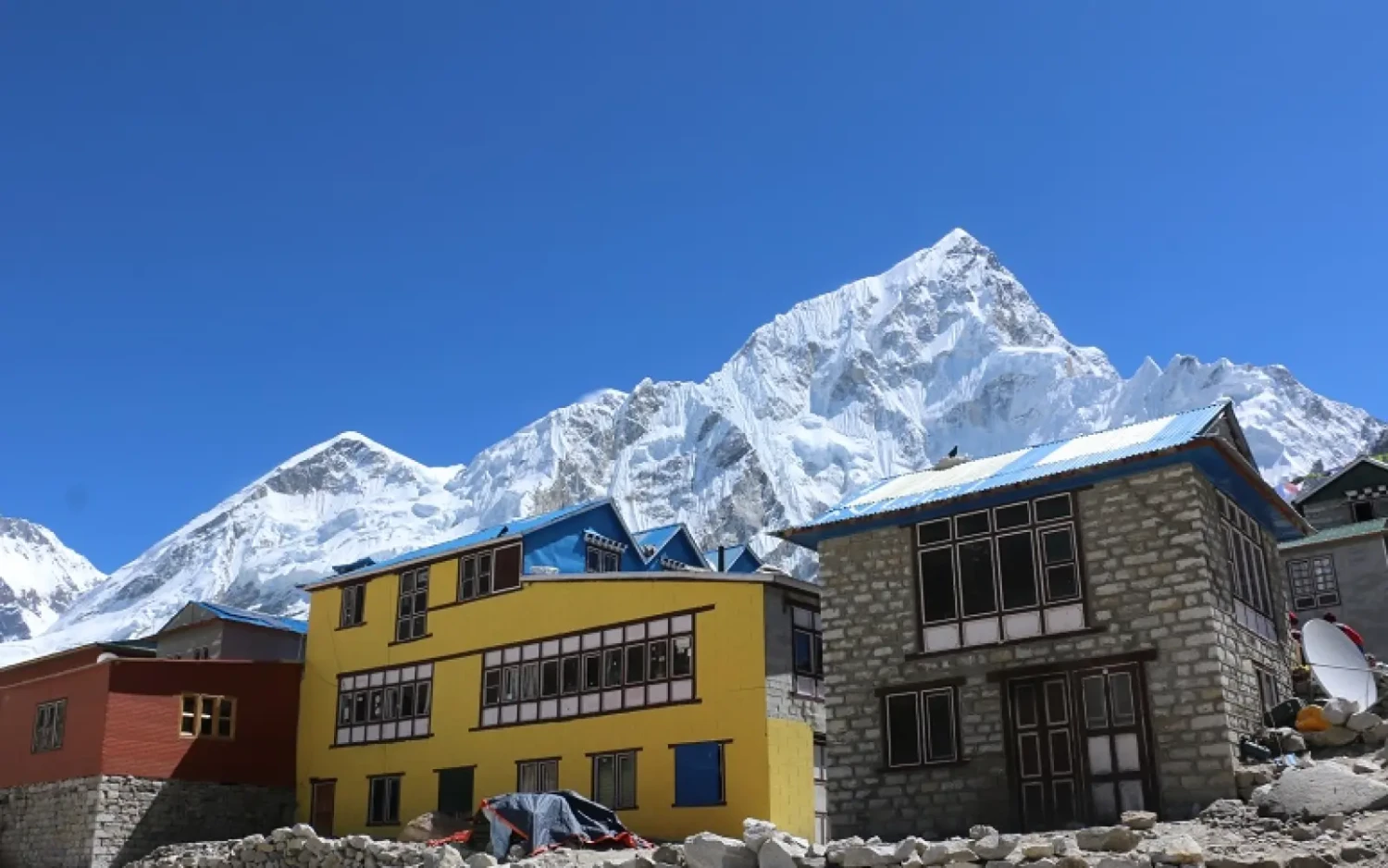
Finding a comfortable place to sleep near Everest Base Camp is essential for trekkers. Most people choose nearby villages that offer lodging. These locations provide a break from the harsh conditions at base camp.
Gorak Shep, the closest settlement, is a popular choice. Located at 5,164 meters (16,942 feet), it serves as the last stop for many trekkers. This village offers basic teahouses, perfect for weary travelers.
Teahouses are the most common form of accommodation. They usually offer simple lodging, meals, and a warm space. While amenities are basic, they provide the essentials needed for recovery.
Apart from Gorak Shep, other villages include:
- Pheriche: Known for its clinic and altitude research center.
- Lobuche: Offers several teahouses and access to acclimatization trails.
- Dingboche: Provides stunning views along with accommodation options.
Each village has its charm and conveniences. Trekkers can find options that suit their preferences and itineraries. However, during peak seasons, securing a spot may require early booking.
Lodging typically involves shared rooms with limited facilities. Expect basic amenities, as resources are scarce in this remote region. However, the hospitality of the local Sherpas more than compensates for the lack of luxury.
The added benefit of staying in these villages is the opportunity to engage with local culture. Meeting the Sherpa people and learning about their traditions enriches the trekking experience. These insights are a unique aspect of the trek.
Despite the simplicity, these accommodations offer rest and rejuvenation. After a day of trekking, being in the warmth of a teahouse is comforting. These options ensure that trekkers can continue their journey safely and comfortably.
Gorak Shep: The Last Stop for Trekkers
Gorak Shep stands as the final frontier for trekkers heading to Everest Base Camp. Nestled at an altitude of 5,164 meters (16,942 feet), its unique location offers incredible views. It's a pivotal point for both climbers and trekkers.
Despite its height, Gorak Shep remains accessible year-round. However, extreme weather conditions can impact travel plans. Visitors should be prepared for a dynamic environment.
Teahouses in Gorak Shep are the main form of accommodation. Although facilities are basic, they provide warmth and shelter. Trekkers often gather here, sharing stories over a hot meal.
The area has limited infrastructure, but its strategic location compensates for it. From Gorak Shep, trekkers embark on final hikes to iconic spots:
- Everest Base Camp: A challenging yet rewarding journey.
- Kala Patthar: Offers panoramic views of Mount Everest.
- Pumori Base Camp: Less crowded, equally mesmerizing.
These hikes offer spectacular vistas of the Himalayas. Reaching Everest Base Camp or Kala Patthar becomes a crowning achievement. Each step in Gorak Shep brings trekkers closer to their goal.
Gorak Shep acts as a convergence point for diverse trekking stories. Trekkers from around the world meet here, creating a vibrant community. It’s a melting pot where cultures, experiences, and dreams blend.
The camaraderie at Gorak Shep is palpable and enriching. Conversations with fellow adventurers often reveal valuable tips and insights. Such exchanges enhance the overall trekking experience.
Visiting Gorak Shep becomes a memory that trekkers cherish forever. Reaching this point signifies perseverance and determination. For many, it’s a dream come true, fostering a profound connection with the majestic Himalayas.
The Experience of Visiting Everest Base Camp Without Staying Overnight
EBC trek is often the pinnacle of an adventurer's journey. However, trekkers must venture without an overnight stay. This restriction adds a unique dimension to the trek.
The day begins with a pre-dawn start from Gorak Shep. The brisk mountain air invigorates and prepares trekkers for the challenge ahead. Energy levels are high, fueled by anticipation and excitement.
Reaching Everest Base Camp during daylight is critical. It offers trekkers the opportunity to take in breathtaking views. Seeing the majestic Khumbu Icefall is particularly awe-inspiring.
Spending several hours at the base camp can be immensely fulfilling. It allows ample time to explore and capture memories. Here, trekkers often witness climbers readying for their ascent to Everest's summit.
The trek back to Gorak Shep typically concludes the day's adventure. Despite physical fatigue, a sense of achievement pervades. As evening falls, trekkers share tales of the day:
- Moments of awe and wonder.
- Challenges faced and overcome.
- The camaraderie built along the trail.
This narrative is an integral part of the experience. The lack of overnight stay promotes a deep appreciation of every moment. It transforms the journey into something truly unforgettable.
Overnight stay at Everest Base Camp without embarking on a resilient trek. Each day spent close to this legendary landmark echoes with adventure. This approach yields unforgettable encounters that resonate beyond the trails. Trekkers return with stories and memories that enrich their lives deeply.
Trekking Permits, Regulations, and Legal Considerations
The EBC trek requires careful preparation. Securing the necessary permits is a vital step. Without them, trekking is prohibited, ensuring preservation and safety.
The first essential permit is the TIMS (Trekkers’ Information Management System) card. This document keeps track of trekkers, aiding in organization and safety. It's obtainable from the Nepal Tourism Board or authorized offices.
Another critical permit is the Sagarmatha National Park Entry Permit. Everest Base Camp lies within this protected region. These funds support conservation projects and local communities.
For foreign trekkers, a third permit is often needed: the Khumbu Pasang Lhamu Rural Municipality entrance permit. This local permit further regulates access. It is a significant development in managing tourism impact.
Here is a quick checklist of necessary permits:
- TIMS Card: Track and record trekker information.
- Sagarmatha National Park Entry Permit: Support conservation and access to parks.
- Khumbu Pasang Lhamu Permit: Community support in local areas.
Obtaining these permits involves costs, adding to trek expenses. Prices can vary, so budget accordingly. Always verify current requirements before planning your trip.
Beyond permits, trekkers need awareness of regulations. Respectful conduct towards local customs is expected. Proper disposal of waste is critical to maintain natural beauty.
Legal considerations include abiding by scheduled routes and timings. Deviating from established paths can result in hefty fines. Stringent adherence to rules ensures a safe, rewarding adventure.
Prepare to meet these legal requirements to enhance the experience. Following regulations secures not only personal safety but also the environment. By respecting these aspects, trekkers contribute to Nepal’s sustainable tourism efforts.
Sustainable Tourism and the Future of Everest Base Camp

Sustainable tourism is crucial for preserving Everest Base Camp's unique environment. The growing number of visitors threatens its fragile ecosystem. Thus, sustainable practices are increasingly necessary.
The Nepalese government implements various measures to tackle these challenges. Restrictions on overnight stays are part of these efforts. They aim to minimize waste and maintain the region's natural beauty.
Local communities are also playing a significant role. They work with authorities to promote eco-friendly tourism. By doing so, they help balance economic benefits with environmental concerns.
Tour operators are encouraged to adopt sustainable practices as well. They provide trekkers with guidelines on minimizing their environmental impact. These practices foster a culture of responsibility among visitors.
Key sustainable practices include:
- Reducing Waste: Implement effective waste management systems.
- Responsible Trekking: Follow established paths and respect local customs.
- Community Engagement: Support local initiatives and businesses.
Efforts to promote sustainable tourism are ongoing. More initiatives are needed to secure the future of Everest Base Camp. Collaboration between governments, locals, and tourists is essential to achieve lasting results.
Tourists can significantly influence Everest Base Camp's future by adopting sustainable habits. Respecting nature and local traditions contributes to the overall sustainability of the region. Embracing such practices ensures the preservation of Everest for future generations.
Tips for a Successful Everest Base Camp Trek
Planning is crucial for a successful Everest Base Camp trek. It starts with understanding the physical demands of the journey. Preparing your body ensures you are ready to tackle the challenges of the high altitudes.
Packing efficiently makes a significant difference. Prioritize essential gear, such as sturdy hiking boots and warm clothing. Remember to include a first aid kit and portable water purifier.
Key Packing Items:
- Sturdy, waterproof hiking boots
- Thermal layers and windproof jackets
- Portable water purifier and reusable bottle
Acclimatization is essential for avoiding altitude sickness. Plan your itinerary to allow gradual altitude gain. Including rest days in your schedule can help your body adjust to the thinner air. Energy-rich foods help fuel your EBC trek.
Essential Trekking Practices:
- Follow a gradual ascent plan
- Stay hydrated and eat nutrient-rich meals
- Listen to your body and rest when needed
Respecting local customs enriches your trek. Learning a few Nepali phrases can enhance interactions with locals. Observing cultural traditions demonstrates respect and can foster goodwill.
Choosing the right season can impact your experience significantly. Pre-monsoon and post-monsoon are considered the best times. These periods offer clear skies and more stable weather.
In summary, successful trekking requires careful preparation and respect for the environment and culture. By taking these steps, you ensure a rewarding and memorable journey. With the right mindset and preparation, the Everest Base Camp trek can be the adventure of a lifetime.
Conclusion: Respecting the Rules and Embracing the Journey
Trekking to Everest Base Camp is more than a physical challenge; it is a profound experience. Adhering to overnight restrictions at the base camp shows respect for the region's delicate ecosystem. These measures are crucial for preserving its breathtaking beauty for future generations.
Understanding the reasons behind these rules deepens the connection to the journey. Awareness of environmental concerns informs responsible behavior. This approach ensures the sustainability of the EBC trek.
Essential Etiquette for Trekkers:
- Adhere to all rules and guidelines
- Support local conservation efforts
- Respect local customs and practices
Respectful trekking also means engaging with local culture sincerely. Appreciating and honoring the customs of the local communities enriches the travel experience. These interactions leave a lasting impression and create cherished memories.
Embracing the journey involves appreciating every aspect of the trek. From majestic mountain views to the warmth of local hospitality, each moment holds value. Maintaining an open mind enhances the journey's overall impact.
In conclusion, respecting rules and embracing the journey make for an enriching experience at Everest Base Camp. By valuing both nature and culture, trekkers contribute to a legacy of sustainable exploration. Through mindful trekking, we protect these extraordinary landscapes for generations of adventurers to come.
Frequently Asked Questions About Everest Base Camp Overnight Restrictions
1. Can you stay at Everest Base Camp?
No, as a trekker, you cannot spend the night at Everest Base Camp. However, if you are summiting Everest, then only you can stay at Everest Base Camp.
2. Why are there Everest Base Camp overnight restrictions?
Overnight stay at Everest Base Camp is restricted primarily to preserve the environment. The constant influx of trekkers could lead to increased waste and pollution. These measures are vital to maintaining the pristine condition of the area.
3. Who enforces the Everest Base Camp overnight restrictions?
The Nepalese government, along with local authorities, enforces these rules. They collaborate to ensure compliance with the regulations. Their efforts help safeguard the ecosystem and ensure safety.
4. Are there exceptions to these restrictions?
Climbers with permits aiming to summit Mount Everest can stay overnight. Base camp serves as a staging ground for expeditions. However, trekkers must find accommodations in nearby villages such as Gorak Shep.
5. What other regulations should trekkers know?
Trekkers must obtain the necessary permits before starting their journey. They are also advised to follow ethical trekking guidelines. These include respecting local culture and adhering to designated paths.
Common regulations include:
- Proper permits and documentation
- Respect for local traditions and wildlife
6. How can trekkers reduce their environmental impact?
Trekkers can take several actions to minimize their impact. For example, they should pack out all waste and use eco-friendly gear. Sticking to established trails also helps prevent land degradation.
Consider the following practices:
- Leave No Trace principles
- Support local businesses and accommodations
7. Is it worth visiting if I can't stay overnight at the camp?
Absolutely! Visiting Everest Base Camp is a transformative experience. The trek offers breathtaking views and a chance to connect with nature. The journey itself is as rewarding as reaching the base camp.
8. How can I prepare for these Everest Base Camp overnight restrictions?
Understanding the restrictions and planning accordingly is key. Research accommodations in nearby villages and ensure you have the required permits. Being well-prepared enhances the overall experience of your trek.