Hey there!
If you plan to visit a paradise, then you must visit Nepal.
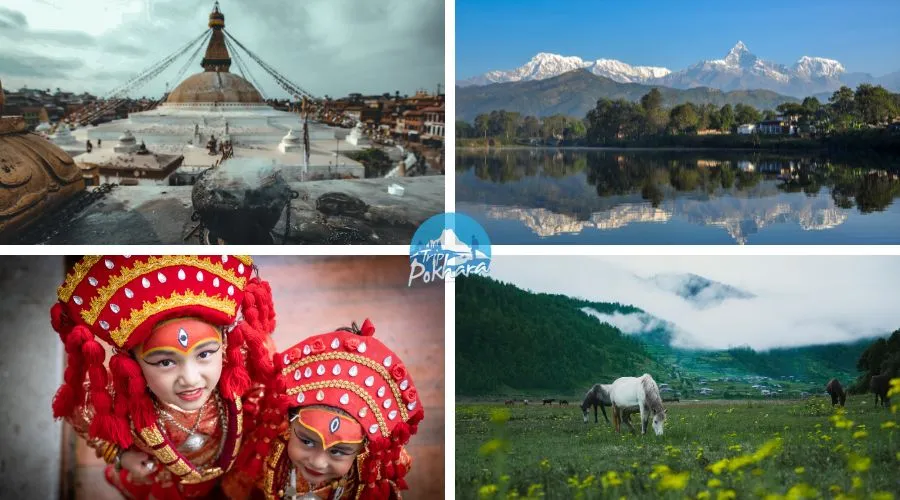
Nepal is the homeland of the Himalayas, home to 8 out of 14 8,000+ peaks of the world, including the world’s tallest mountain, Mount Everest. Not just mountains, Nepal is home to lush subtropical forests, diverse wildlife, ancient cultural heritage, and vibrant ethnic communities that make it one of the most unique and captivating destinations on Earth.
Now, wondering where is Nepal?
In this blog, you will get the answer to “Where is Nepal?” where you can find various facts about Nepal. Nepal is a small but fascinating country full of mountains, culture, and history. Let's dive in and find out more about this incredible place.
Where is Nepal on the World Map?

First off, let's locate Nepal on the world map. Nepal is nestled in South Asia, right between two giants: India and China. If you're looking at a map, you'll find it squished right in between these two massive countries. So, no, Nepal is not in India or China, but it does share borders with both.
Nepal in the Himalayas
In terms of its position in Asia, Nepal is pretty central. It's part of the Himalayas, a mountain range that includes the famous Mount Everest, the tallest mountain in the world. So, if you're into mountains, Nepal is definitely the place to be!
Nepal's Strategic and Historical Importance
Nepal's strategic location between India and China has significant implications. Historically, it has been a crossroads for trade and cultural exchange. The Silk Road, a network of trade routes, once passed through this region, facilitating the exchange of goods and ideas. Today, Nepal continues to benefit from its position, serving as a link between two of the world's largest economies.
Nepal's Geopolitical Significance
The geopolitical importance of Nepal cannot be underestimated. Its location has made it a focal point for regional politics in Asia. Nepal often finds itself balancing its relationships with India and China, as both countries vie for influence in the region. This balancing act shapes Nepal's foreign policy and impacts its economic and social development.
How Big Is Nepal?
Now that we know where Nepal is, let's talk about how big it is. Nepal might be small compared to its neighbors, but it packs a punch with its diverse geography of Nepal. The country stretches about 800 kilometers (500 miles) from east to west and about 200 kilometers (125 miles) from north to south.
Diverse Geography of Nepal
The geography of Nepal is something special. It boasts everything from flat plains to towering peaks. The elevation varies dramatically, which means you can experience a lot of different climates in one place. The southern part of the country, known as the Terai, is flat and fertile, while the northern part is home to the majestic Himalayas.
Climate Zones of Nepal
The diverse geography of Nepal gives rise to multiple climate zones within a relatively small area. The Terai region experiences a subtropical climate, with hot summers and mild winters. As you move northward into the hills and mountains, the climate becomes more temperate, with cooler temperatures and distinct seasons. The high Himalayas experience an alpine climate, characterized by cold temperatures and heavy snowfall.
Nepal's Natural Resources
The geography of Nepal is also varied and rich in natural resources. The Terai region is known for its fertile soil and agricultural productivity, producing crops like rice, wheat, and sugarcane. The hills provide timber and medicinal herbs, while the mountains are sources of fresh water and hydropower potential. These resources play a vital role in Nepal's economy and livelihoods.
Environmental Challenges in Nepal
Despite its natural beauty, Nepal faces significant environmental challenges. Deforestation, soil erosion, and climate change pose threats to its ecosystems and communities. Efforts are underway to promote sustainable practices and conservation, ensuring that Nepal's natural heritage is preserved for future generations.
Countries That Border Nepal

So, what countries border Nepal? As mentioned earlier, Nepal shares its northern border with China and its southern, eastern, and western borders with India. This location has a significant influence on Nepal's culture, economy, and even its politics.
Nepal–India Relations
Nepal's historical ties with India run deep. The open border between the two countries allows for the free movement of people and goods. Cultural exchanges, trade, and familial connections have strengthened the bond between Nepal and India. However, this relationship is not without its complexities, as political and economic issues occasionally arise.
Nepal–China Relations
Nepal's relationship with China has grown significantly in recent years. Infrastructure projects, trade agreements, and tourism initiatives have strengthened ties between the two countries. The development of the Belt and Road Initiative has further enhanced Nepal's connectivity with China, offering new opportunities for economic growth and development.
Nepal and Regional Cooperation
Nepal is an active participant in regional organizations such as the South Asian Association for Regional Cooperation (SAARC) and the Bay of Bengal Initiative for Multi-Sectoral Technical and Economic Cooperation (BIMSTEC). Through these platforms, Nepal collaborates with neighboring countries to address common challenges, promote economic development, and enhance regional stability.
Nepal's Rich Cultural Heritage
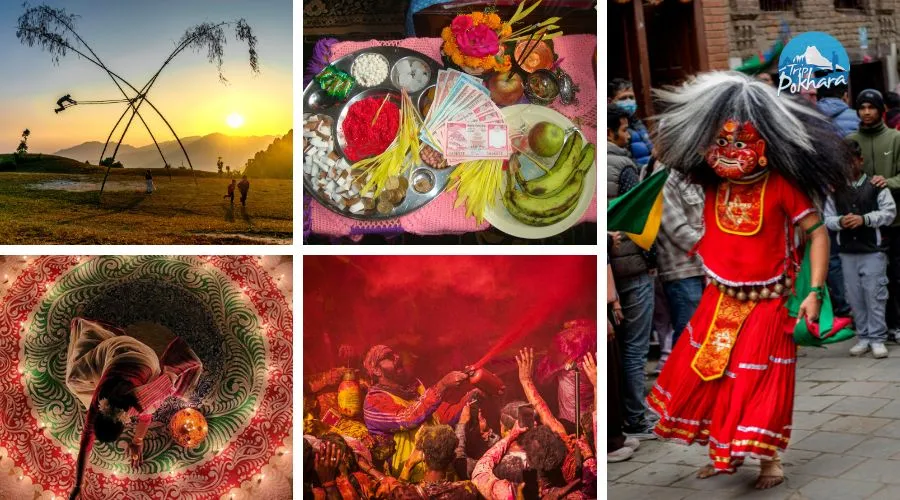
Nepal is not just about stunning landscapes; it's also rich in culture. The country's unique position between India and China has shaped its cultural tapestry, creating a blend of traditions and practices.
Ethnic Diversity and Languages
The Nepali culture is colorful and diverse. With over 120 ethnic groups and 123 languages spoken, Nepal is a true cultural melting pot. The major religions practiced here are Hinduism and Buddhism, and you'll find a plethora of festivals celebrated throughout the year.
Festivals and Celebrations in Nepal
Nepal's calendar is filled with vibrant festivals and celebrations. Dashain and Tihar are two of the most significant Hindu festivals, marked by family gatherings, feasts, and rituals. Buddha Jayanti, celebrating the birth of Lord Buddha, is an important event for Buddhists. These festivals showcase Nepal's rich cultural heritage and bring communities together in joyous celebration.
Art, Architecture, Music, and Dance
Nepal is renowned for its artistic and architectural heritage. The Kathmandu Valley is home to stunning temples, palaces, and stupas, many of which are UNESCO World Heritage sites. Intricate wood carvings, metalwork, and traditional paintings reflect the skill and creativity of Nepali artisans. The blend of Hindu and Buddhist influences is evident in the country's unique architectural style.
Music and dance are integral parts of Nepali culture. Traditional folk music, characterized by instruments like the madal and sarangi, tells stories of love, nature, and daily life. Classical music, influenced by Indian ragas, is also popular. Dance forms such as the Newari, Tamang Selo, and Tharu reflect the diversity of Nepal's cultural landscape.
Interesting Facts About Nepal
One of the interesting facts about Nepal is its flag. It's the only national flag in the world that's not rectangular. The flag is made up of two stacked triangles, representing the Himalayas, and it features the sun and moon, symbols of longevity.
Mountains, Trekking, and Biodiversity

Nepal is probably most famous for Mount Everest, which draws thousands of adventurers each year. But there's more to Nepal than just Everest. The country is a haven for trekkers, with routes like the Annapurna Circuit, Mardi Himal, and Langtang Valley offering breathtaking views.
Historical Landmarks of Nepal
Despite its small size, Nepal is incredibly rich in biodiversity. It's home to some rare and endangered species like the Bengal tiger and the one-horned rhinoceros. The country's diverse ecosystems range from tropical forests to alpine meadows.
Visit Nepal, a home to numerous historical landmarks that reflect its rich history and heritage. Lumbini, the birthplace of Lord Buddha, is a UNESCO World Heritage site and a pilgrimage destination for Buddhists worldwide. The ancient city of Bhaktapur, with its well-preserved medieval architecture, offers a glimpse into Nepal's glorious past. These landmarks attract history enthusiasts and cultural explorers alike.
Nepali Cuisine
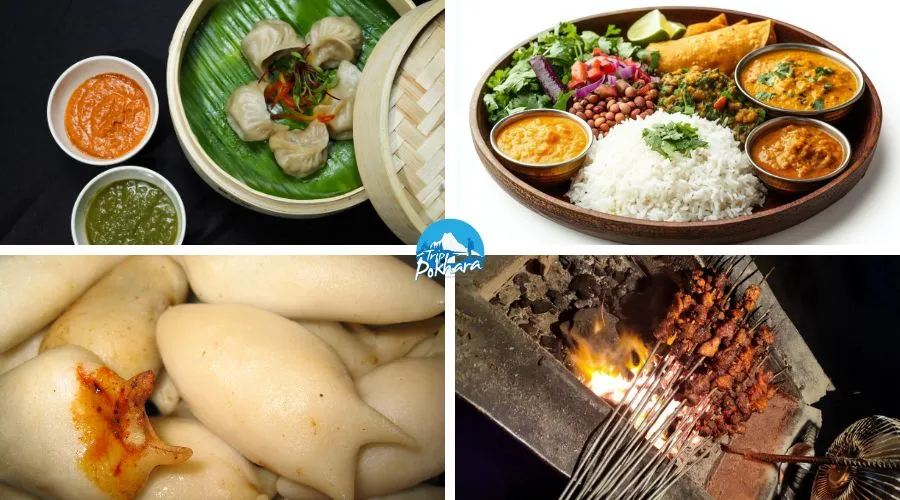
Visit Nepal for the mouth-watering Nepali cuisine, a delightful fusion of flavors and influences. Dal Bhat, a traditional meal of lentil soup and rice, is a staple in Nepali households. Momos, delicious dumplings filled with meat or vegetables, are popular street food. The use of spices and fresh ingredients adds a unique taste to Nepali dishes, making them a treat for food lovers.
Sports and Adventure in Nepal
Sports play an important role in Nepali society. Cricket and football are widely popular, with enthusiastic fans supporting their favorite teams. Adventure sports like mountaineering, trekking, helicopter tours, and rafting attract thrill-seekers from around the world. Nepal's natural terrain provides the perfect backdrop for outdoor activities and exploration.
Travel Destinations in Nepal
Nepal is a paradise for travelers. Whether you're into trekking, cultural tours, or wildlife safaris, there's something for everyone.
Some must-visit places of Nepal include Kathmandu, the capital city, known for its historic temples and vibrant markets. Then there's Pokhara, famous for its lakes and adventure sports. And let's not forget Chitwan National Park, a UNESCO World Heritage site teeming with wildlife.
Adventure Tourism in Nepal
For those seeking adventure, Nepal offers activities like white-water rafting, paragliding, and bungee jumping. And of course, trekking in the Himalayas is a bucket-list experience for many.
Sustainable Tourism in Nepal
Nepal is committed to promoting sustainable tourism practices. Efforts are being made to minimize the environmental impact of tourism and support local communities. Eco-friendly accommodations, responsible trekking practices, and community-based tourism initiatives are gaining momentum, ensuring that tourism benefits both visitors and locals.
Cultural Tours in Nepal
Cultural tours in Nepal offer a chance to immerse yourself in the country's rich heritage. Explore the ancient palaces and temples of the Kathmandu Valley, witness traditional ceremonies and rituals, and engage with local artisans and craftsmen. These tours provide a deeper understanding of Nepal's cultural diversity and history.
Wildlife and Nature Exploration
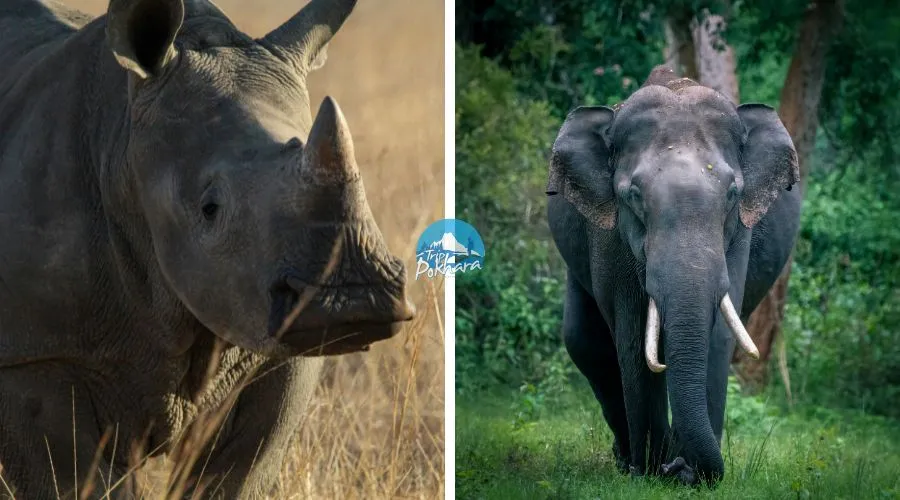
Nepal's national parks and wildlife reserves are a haven for nature enthusiasts. In addition to Chitwan National Park, Bardia National Park and Sagarmatha National Park offer opportunities to spot rare wildlife, including rhinos, elephants, and snow leopards. Birdwatchers will delight in the diverse avian species found in these protected areas.
Why You Should Visit Nepal?
So, why should you visit Nepal? Well, it's a land of stunning landscapes, rich cultures, and warm-hearted people. Whether you're scaling the heights of Everest or exploring ancient temples, Nepal promises an adventure like no other.
Conclusion of Where is Nepal?
In a nutshell, Nepal is a small country with big surprises. From its towering peaks to its vibrant culture, there's always something new to discover. So, pack your bags and get ready to explore Nepal, the heart of the Himalayas!
Nepal invites you to embark on an adventure of a lifetime. Whether you're an adrenaline junkie, a culture enthusiast, or a nature lover, Nepal has something special in store for you. Discover the thrill of conquering rugged terrains, the joy of connecting with diverse communities, and the serenity of being amidst nature's wonders.
Visiting Nepal is not just a trip; it's a journey of discovery. It's about exploring new horizons, learning from ancient traditions, and finding inspiration in the beauty of the natural world. As you traverse Nepal's landscapes and interact with its people, you'll gain insights into a way of life that is both timeless and ever-evolving.
Nepal leaves a lasting impression on all who visit. The memories you create here, whether it's standing atop a mountain peak, witnessing a colorful festival, or sharing a meal with a local family, will stay with you forever. Nepal's magic lies in its ability to touch your heart and soul, leaving you with cherished memories and a longing to return.
FAQs
Where is Nepal located in Asia?
Nepal is a country in South Asia's Himalayas that shares borders with China to the north and India to the south, east, and west. It is a landlocked country that shares borders with India to the south, east, and west, and China's Tibet Autonomous Region to the north.
Where is the capital of Nepal?
The capital of Nepal is Kathmandu, the country's largest city. It is the political, cultural, and economic hub of the country and is located in the Kathmandu Valley in central Nepal at an elevation of about 1,400 meters.
What is the time of Nepal?
The time in Nepal is 05:45:42 P.M.
What other countries border Nepal?
China in the north and India in the east, west, and south border Nepal. Being surrounded by land from all sides, Nepal is a landlocked country.
What is currency of Nepal?
The Nepalese Rupee (NPR) is the currency of Nepal.
What language is spoken in Nepal?
One of the incredible facts about Nepal is that there are about 124 languages spoken in Nepal. However, the most spoken language of Nepal is the Nepali language, which is Nepal’s mother tongue.
What is the population of Nepal?
According to the 2021 census, the total population of Nepal is 29,164,578 (of which 51.02% are female and 48.98% are male). In 2025, it is estimated that the population of Nepal will grow to approximately 30,147,000
What is mad honey Nepal?
Mad honey is typically produced in Nepal by Apis laboriosa bees. Rhododendron species and other plants in the Ericaceae family produce grayanotoxins. Honey made from the nectar of these plants contains both pollen and grayanotoxins.
What are 5 facts about Nepal?
The five facts about Nepal are:
-
8 out of 14 tallest peaks of the world, including the tallest Mount Everest, are located in Nepal.
-
Nepal is the only country to have a living god called Kumari.
-
Nepal is the only country which do not have a rectangular flag; instead, it has two stacked triangles.
-
Gautam Buddha, the founder of Buddhism, was born in Nepal.
-
Nepal has its own unique calendar, the Bikram Sambat, which is 56 years and 8 months ahead of the Gregorian calendar.