13 Days Kailash Mansarovar Yatra: The Ultimate Guide to a Sacred Himalayan Pilgrimage
About this trip
Have you ever dreamed of standing before a mountain so sacred that four ancient religions consider it the centre of the spiritual universe? Welcome to the Kailash Mansarovar Yatra, a journey that transcends ordinary travel and becomes a profound odyssey of the soul.
Kailash Mansarovar Yatra Overview
The Kailash Mansarovar Yatra by Bus is a sacred pilgrimage journey to the holy Mount Kailash and Lake Mansarovar in Tibet, reached via the newly opened Kerung border between Nepal and China. This overland route, which started in 2017, offers a comfortable and scenic alternative to the older routes and has become a popular choice for pilgrims and adventure seekers alike.
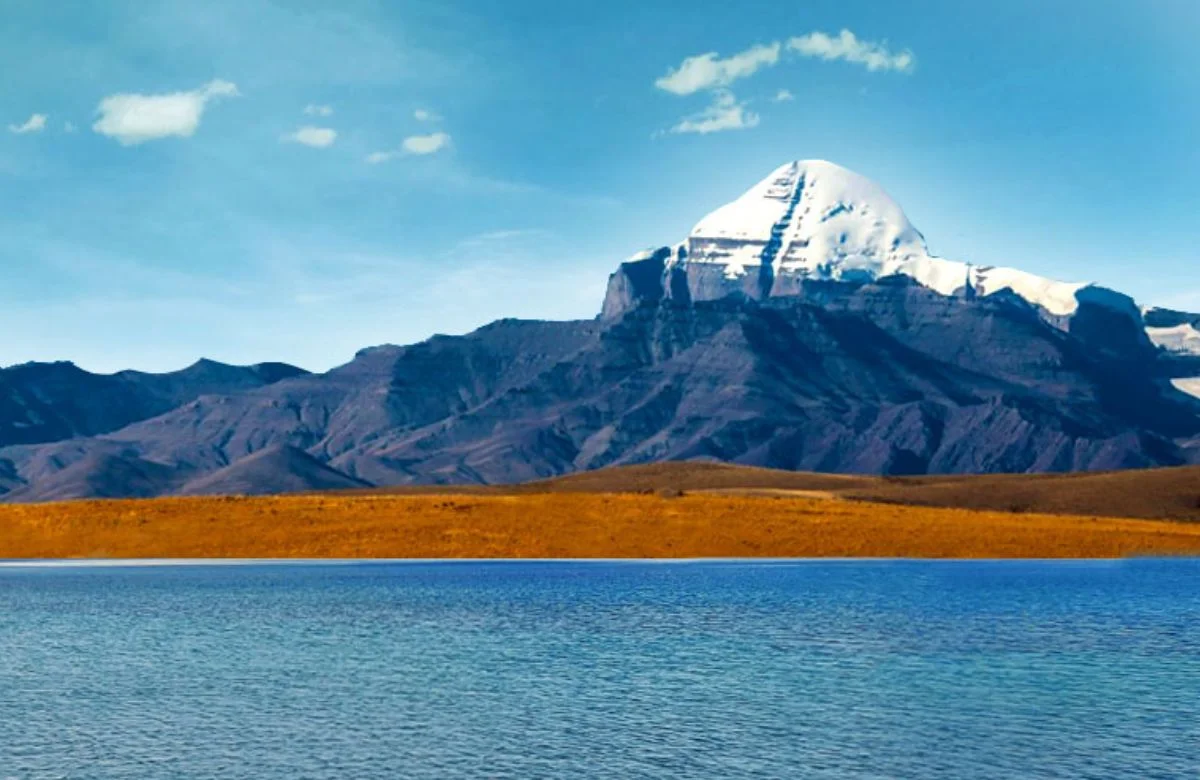
This special journey begins in Kathmandu, Nepal, and takes you through stunning Himalayan landscapes, remote Tibetan villages, and culturally rich towns before reaching the spiritual heart of Tibet, Mount Kailash (6,638 m) and Lake Mansarovar (4,600 m). The tour is ideal for those who wish to experience the divine energy of these sacred sites while also enjoying the breathtaking natural beauty and deep-rooted traditions of the region.
Mount Kailash and Lake Mansarovar hold great spiritual importance for followers of Hinduism, Buddhism, Jainism, and Bon:
- Hindus believe Mount Kailash is the abode of Lord Shiva, and bathing in Lake Mansarovar washes away sins.
- Jains believe this is where Rishabhadeva, the first Tirthankara, attained liberation.
- Bon followers consider it the home of their founder, Shenrab Miwo.
- Buddhists view Mount Kailash as a symbol of spiritual power, representing the father of the world, while Mansarovar symbolises the mother.
Throughout the journey, you will witness Tibetan culture, monasteries, prayer flags, local rituals, and traditional life. This yatra is more than a trip; it's a chance to connect with ancient spirituality and experience inner peace in one of the most sacred landscapes on Earth.
One of the highlights of this journey is the chance to witness the Saga Dawa Festival, celebrated during the full moon in May, marking the birth, enlightenment, and death of Lord Buddha, a deeply spiritual time to visit Mount Kailash.
Tour Highlights of Kailash Mansarovar
- Cultural sightseeing in Kathmandu, including UNESCO World Heritage sites in Nepal like Pashupatinath Temple and Swayambhunath.
- Scenic drive to Timure and the Nepal-China border (Rasuwagadhi-Kerung).
- Acclimatisation and cultural exploration in Kyirong/ Kerung.
- Visit to Saga, known for its peaceful monasteries.
- Holy visit to Lake Mansarovar, one of the highest and most sacred lakes on Earth.
- Stop at Darchen, the base town for Mount Kailash Parikrama.
- Exploration of Yamdwar, the spiritual gateway to Mount Kailash.
- Trek to Diraphuk, offering a close-up view of the North Face of Mount Kailash and the beautiful sunrise view known as “Golden Kailash.”
- Scenic route to Zuthulphuk, where you’ll view the East Face of Mount Kailash and the sacred Gaurikunda Lake, associated with Goddess Parvati.
Cost Breakdown: Kailash Mansarovar Yatra
Are you planning your pilgrimage tour to Mount Kailash and Lake Mansarovar? The Kailash Mansarovar Yatra is available in different packages for a safe and comfortable travel.
The Kailash Mansarovar Yatra Cost should align with the budget and comfort needs, as it is an intensely spiritual and physically demanding journey. The Kailash Mansarovar Yatra Package Price list is as follows:
|
Package Star Rating |
Total Price (INR) |
Price Structure (USD+ INR) |
|
3 Star |
? 1,95,000/- |
$1590 + ?60,000 |
|
4 Star |
? 2,00,000/- |
$ 1590 + ?65,000 |
|
5 Star |
? 2,10,000/- |
$ 1590 + ?70,000 |
Itinerary
Welcome to Nepal. Your sacred journey begins as you arrive in the vibrant capital of Nepal. Our representative will warmly welcome you at the airport or bus station and take you to your comfortable hotel. Take this day to rest, recover from your journey, and acclimate to the new environment. You may explore the nearby areas at your leisure or simply relax and prepare mentally for the spiritual adventure ahead.
Transfer: Airport/Bus Station to Hotel
Inclusions & exclusions
Included
- 3 Nights Hotel in Nepal and Comfortable Accommodations in Tibet
- Full board vegetarian meals (Breakfast, Lunch, Dinner)
- All transportation as mentioned in the itinerary
- Tibet Visa and Entry Permits
- Kailash Parikrama Entry Fees
- Packed Lunches during trek
- Experienced Indian cook
- English/ Hindi Speaking Nepalese Guide and English Speaking Chinese Guide
- Nepalese Sherpa Support
- Super Luxury Bus and Support Truck
- Yak and Porter during Parikrama
- First Aid Kit and Oxygen Cylinder
- Lake Mansarovar Parikrama by Vehicle
- You’ll receive a Duffle Bag, a down Jacket, and a Daypack as gifts from the company.
Not included
- International Flight Tickets
- Travel Insurance is not included, but mandatory
- Tips for porters, guides and drivers
- Personal Expenses and Beverages
- Phone calls and the Internet
- Rescue and Emergency Evacuation Costs
- Medical Expenses if you fall sick
- Personal Riding Horse (Optional)
- Personal Porter (Optional)
- Items not mentioned in the inclusions
Important information
Booking Your Kailash Mansarovar Yatra
Ready to answer the call of Mount Kailash? Here's what you need to know:
Required Documents
- Valid passport (6+ months validity)
- Passport-size photographs
- Medical fitness certificate
- Travel insurance documentation
- Tibet travel permit (arranged by tour operator)
Booking Process
- Reserve your spot: Submit 30% advance with a passport copy
- Permit processing: Wait for Tibet visa and entry permit confirmation (4-6 weeks)
- Final payment: Complete balance upon permit approval
- Pre-trip briefing: Detailed orientation on health, safety, and expectations.
Best Time to Visit Kailash Mansarovar
The best time to visit Kailash Mansarovar is May to mid-September, when the region becomes accessible after winter snowfall and the climate is stable enough for trekking and pilgrimage.
During this time, Mount Kailash’s temperature is typically stable, ranging from 8°C to 22°C in the daytime. However, the Kailash Mansarovar’s Temperature during the night is cold, dropping from -10C to 110C at night.
These months offer clear skies, good visibility and safer trail conditions, which is ideal for completing the Kailash Kora. Kailash Kora is a 52 km (32 miles) sacred pilgrimage trek around Mount Kailash in Tibet.
The weather from May to June is usually mild, with snow melting and favourable conditions for both overland tours by bus/jeep and Kailash Mansarovar Yatra by helicopter.
July and August are warmer with occasional rain around the Nepal and Tibet borders. September is considered the best month for the Kailash Mansarovar Yatra as it offers the best weather conditions with crisp skies, cooler days, minimal rainfall and fewer crowds, which is great for photography and spiritual meditation.
If you are also planning to visit during May- June, Adi Kailash Temperature usually stay around 10°C to 20°C, while nights can drop to 0°C to 8°C. The high altitude causes the Kailash Parvat’s temperature to vary within hours. The sunlight is strong during the day, and the winds are freezing at night. Make sure to follow the layering technique to not catching a cold or feeling excessive heat during the day.
Weather Highlights of May-June
- Kailash Parvat temperature: Daytime 8°C to 22°C, nights –1°C to 11°C
- Melting snow creates spectacular waterfalls
- Clear skies offer perfect visibility for the Mount Kailash Shiva face
- Ideal for both overland and helicopter routes
- Special Event: Saga Dawa Festival (full moon in May), celebrating Buddha's birth, enlightenment, and death based on the lunar calendar
Weather Highlights of July- August
- Warmer days with occasional rain near the border areas
- Lush vegetation in lower altitudes
- More crowded but vibrant atmosphere
- Prayer flags flutter brilliantly against blue skies
Weather Highlights of September
- Crisp, clear skies with minimal rainfall
- Fewer crowds than peak summer
- Cooler temperatures are perfect for trekking
- Outstanding photography conditions
- Enhanced meditation atmosphere
Note: Travel is not recommended from late October to April, and when extreme winter conditions arise, the mountain passes close with sub-zero temperatures. The Kailash Mansarovar Yatra is unsafe during this time with inaccessible routes.
Witnessing the Saga Dawa Festival
If you time your visit for the full moon in May, you'll experience the Saga Dawa Festival, one of the most auspicious times to visit Mount Kailash. This sacred celebration marks three pivotal moments in Buddha's life: his birth, enlightenment, and passing into nirvana. The spiritual energy during this period is said to be magnified, with prayer flags replaced, butter lamps lit by the thousands, and pilgrims completing their Kora(circumambulation) with heightened devotion.
Cultural Immersion in Tibet
Beyond the spiritual aspects, the Kailash Yatra offers deep cultural immersion:
- Monasteries: Ancient gompas with butter lamps and spinning prayer wheels
- Prayer Flags: Colourful banners carrying mantras on the wind
- Local Life: Nomadic Tibetan families herding yaks across vast plateaus
- Traditional Cuisine: Hearty tsampa, butter tea, and Mo: Mo
- Warm Hospitality: Despite harsh conditions, the Tibetan people's generosity shines
Mount Kailash Mystery: Myths and Secrets
There are certain mysteries, beliefs and myths surrounding Mount Kailash, which is considered the home of Lord Shiva.
Key Mysteries of Mount Kailash
- Mount Kailash is sacred to 4 religions, which include Hindus (Home of Shiva), Buddhists (Mount Meru signifying centre of the universe), Jains(Site of Moksha) and Bon(counter-clockwise pilgrimage)
- Mount Kailash has never been climbed, with no recorded ascent, and climbing is banned due to its religious significance
- The mountain is in a distinct pyramid shape that aligns roughly with cardinal directions, fueling mystical interpretations.
- Mount Kailash is the source of major rivers such as the Indus, Brahmaputra, Sutlej, and Karnali that originate nearby.
- The sacred circumambulation known as Kora is a 52 km pilgrimage route with the belief that 108 rounds around it cleanse sins and symbolise liberation in some traditions.
Legends and Unverified Claims of Mount Kailash
- Time distortion and rapid ageing are reported by some pilgrims, but there is no scientific evidence.
- The shadow forms symbols like a Swastika or “Om” is seen, but it depends on light factors and snow patterns.
- Mount Kailash is linked to mythical realms like Shambhala and underground cities.
- The supernatural sounds of the damru, “Om” vibrations, are described in folklore.
The Spiritual Significance of Kailash Mansarovar
Believed to be the true centre of the universe, the Kailash Mansarovar Yatra represents different spiritual meanings across religions:
Spiritual Significance for Hindus
Hindus believe Mount Kailash to be the eternal home of Lord Shiva and Goddess Parvati. The Circumambulation(Parikrama) is believed to:
- Cleanse the sins committed during the lifetime
- Grant Moksha(liberation) after 108 circumambulations
- Bring blessings of health, prosperity and spiritual wisdom
Spiritual Significance for Buddhists
Buddhists believe Mount Kailash to be the centre of the physical and spiritual universe. In Buddhism, Mount Kailash is known as Mount Meru, where they believe Buddha Demchok/ Chakrasamvara resides.
Spiritual Significance for Jains
Jains believe Mount Kailash to be the place where Rishabhadeva, the first Tirthankara, attained liberation. They consider it the most sacred pilgrimage site.
Spiritual Significance for Bon Followers
The followers of Bon believe this mountain to be the home of Shenrab Miwo, who is the founder of the Bon religion. They believe Shenrab Miwo descended from heaven to here.
While people from other religions circumambulate in clockwise directions, the Bon followers circumambulate in counter-clockwise directions.
Is the Kailash Mansarovar Yatra Right for You?
The Kailash Mansarovar Yatra is one experience which is not just about conquering the mountain but about surrendering yourself to something greater than yourself. The Kailash Mansarovar Journey is about:
- Finding inner peace even when there are outer challenges
- Connecting with millennia of spiritual tradition
- Testing your physical and mental limits
- Witness beautiful landscapes that stir your soul
- Return to your home as a transformed person
Special Conditions for Senior Pilgrims (70+ Years)
- Must submit a recent (within 6 months) medical certificate from a government hospital in India.
- Require two accompanying close relatives.
- Must deposit USD 1,000 as a security fee in case of any unforeseen event (as per the Chinese government requirement).
- Undergo health screening by Chinese doctors before the Parikrama. Approval is mandatory to proceed with the trek.
- All dues must be fully paid before departure.
Why Mount Kailash Calls to Millions
Mount Kailash isn't just another peak in the Himalayas. Rising to a Mount Kailash height of 6,638 meters, this mystical pyramid-shaped mountain has never been climbed, and never will be. The Mount Kailash climb is strictly prohibited, preserving its sanctity for the millions who believe it to be the earthly home of Lord Shiva.
The Mount Kailash Shiva face-like structure is what calls many to this land, believed to be the home of Shiva. As sunlight dances across its snow-covered slopes, pilgrims often report seeing divine patterns emerge; some claim to see the sacred "Om" symbol or swastika formations in the shadows and snow. While science may attribute these to natural light and geological patterns, the spiritual significance remains undeniable.
Are you ready to answer the call? The Mount Kailash Shiva face gazes out across the Himalayas, waiting for you to begin your sacred journey.
FAQs
The answer is questionable. While there is no scientific evidence of Lord Shiva living in Mount Kailash, Hindu traditions believe it to be the permanent dwelling of Lord Shiva.
No, no one has physically seen Lord Shiva on Mount Kailash, but there is no physical or scientific evidence of the existence of Lord Shiva from anyone seeing him in any form.
Yes, A valid passport is required for the Kailash Mansarovar Tour because the pilgrimage tour goes through Tibet(China), which also requires a Chinese Visa and Travel Permits.
Kailash Mansarovar is located in the Ngari region of western Tibet in China, which is near the borders with India and Nepal. It lies in the remote Himalayas, where Mount Kailash and Lake Mansarovar are located.
No, Helicopters are not allowed to fly over Mount Kailash due to restricted airspace, high altitude weather conditions and the mountain’s sacred religious significance.
Yes, there are age limits for the Kailash Yatra, but exceptions are possible if you are physically fit and have medical clearance. The age limit is usually 18 to 70 years, with special conditions for senior pilgrims.
Similar trips
13 days
Cultural and Heritage Tour
Easy