Tibet Cultural Tour – An Immersive Journey into the Land of Mysticism and Spirituality

About this trip
Embark on a transformative journey into the heart of Tibet, a land steeped in profound spiritual traditions, ancient history, and breathtaking landscapes. The Tibet Cultural Tour is a deeply enriching experience that offers an exceptional opportunity to explore the sacred sites, monasteries, and cultural treasures that have shaped Tibetan civilization for centuries. From the iconic Potala Palace to the mesmerizing views of Mount Everest, this tour provides an unparalleled chance to connect with the essence of Tibet’s rich cultural heritage.
Major Highlights of the Tibet Cultural Tour
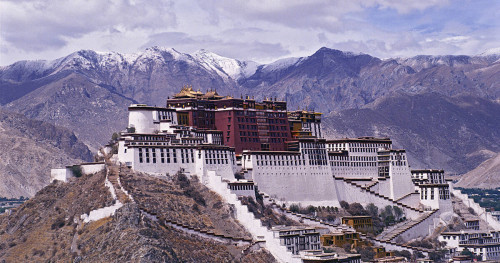
Potala Palace, Lhasa
As one of the most iconic symbols of Tibetan Buddhism, the Potala Palace in Lhasa is a UNESCO World Heritage Site and a true architectural marvel. Originally the winter residence of the Dalai Lama, the palace is a stunning fusion of Tibetan architecture and religious art. Visitors will be awe-struck by its towering structure, intricate murals, sacred shrines, and Buddhist relics. The palace offers an unforgettable experience of Tibet's royal and religious history and is a must-visit for any spiritual traveler.
Jokhang Temple, Lhasa
The Jokhang Temple is regarded as the spiritual heart of Tibet, revered by Tibetan Buddhists across the world. It houses the Jowo Shakyamuni Buddha, a sacred statue that is the focal point of pilgrimage for Tibetans. Pilgrims and visitors alike can experience the profound energy of the temple, where the faithful offer prayers and perform kora (circumambulation). The atmosphere here is one of deep reverence, providing visitors a glimpse into the deeply spiritual practices that have defined Tibetan Buddhism for centuries.
Barkhor Street, Lhasa
Surrounding Jokhang Temple, Barkhor Street is one of the oldest and most vibrant areas in Lhasa. A bustling market and a pilgrimage circuit, the street is lined with Tibetan shops selling traditional handicrafts, religious items, and souvenirs. It’s a place where you can interact with local Tibetans, experience their customs, and gain a deeper understanding of Tibetan culture. Barkhor Street is also a popular spot for pilgrims to walk around the temple, completing their spiritual journey.
Yumbulagang Palace, Tsedang
Located in Tsedang, the first capital of Tibet, the Yumbulagang Palace is a historical marvel. Believed to be Tibet’s first palace, it dates back to the 2nd century and was the home of Tibet’s first king. Perched on a hill overlooking the beautiful Yarlung Valley, the palace offers panoramic views of the surrounding landscape. Yumbulagang Palace is a significant historical and religious site, providing insight into Tibet's early history, culture, and the evolution of Tibetan royal heritage.
Tashilhunpo Monastery, Shigatse
As one of the most important monasteries in Tibet, Tashilhunpo Monastery in Shigatse holds immense spiritual and cultural significance. It is the seat of the Panchen Lama, the second-highest spiritual leader in Tibetan Buddhism. The monastery is renowned for its impressive architecture, sacred halls, and vibrant prayer flags. Inside, visitors can view the awe-inspiring statue of Maitreya Buddha, a monumental figure that stands as a testament to Tibetan artistic mastery. Tashilhunpo Monastery is a place of deep spiritual reflection and is considered a spiritual pilgrimage site.
Gyantse Kumbum Stupa, Gyantse
The Gyantse Kumbum Stupa is a stunning example of Tibetan architecture and art. This multi-tiered stupa is home to a wealth of religious iconography and murals that depict the life of Buddha, as well as intricate chapels dedicated to various deities and teachings. The Kumbum Stupa offers a unique opportunity to explore the rich artistic traditions of Tibet while providing insight into Tibetan religious beliefs and practices. It is a must-visit destination for those seeking to immerse themselves in Tibetan culture.
Rongbuk Monastery & Everest Base Camp
The Rongbuk Monastery, located near Mount Everest, is the highest monastery in the world. This remote, tranquil monastery offers one of the best vantage points to view the majestic Mount Everest (Qomolangma). Visitors to the monastery can experience the spiritual solitude of Tibetan Buddhism while being surrounded by the awe-inspiring Himalayan peaks. Rongbuk is also the gateway to Everest Base Camp, where trekkers and pilgrims alike can witness the grandeur of the world’s tallest mountain. The views from here are nothing short of breathtaking.
Tibetan Plateau and Scenic Beauty
The Tibetan Plateau, known as the “Roof of the World,” offers some of the most stunning and untouched landscapes on the planet. The journey through Tibet’s vast, high-altitude terrain takes you through rolling hills, deep valleys, tranquil lakes, and remote villages. With its stark beauty and rugged terrain, the Tibetan Plateau offers a truly awe-inspiring experience. This journey through Tibet's natural landscape is an adventure in itself, giving visitors a sense of the vastness and serenity of one of the most remote regions on Earth.
Route Overview
The Tibet Cultural Tour offers a well-paced and immersive exploration of Tibet’s most sacred and culturally significant sites. The journey begins in Lhasa, the spiritual heart of Tibet, where you’ll visit the iconic Potala Palace and Jokhang Temple. From Lhasa, the tour takes you to Tsedang, where the Yumbulagang Palace provides a fascinating glimpse into Tibet’s early history. The next stop is Gyantse, home to the Gyantse Kumbum Stupa, followed by Shigatse and the important Tashilhunpo Monastery. The final leg of the journey brings you to the Rongbuk Monastery, offering spectacular views of Mount Everest and the Tibetan Plateau. This tour route has been carefully crafted to ensure a deep cultural immersion while allowing time for acclimatization to Tibet’s high-altitude environment. Each destination has been selected to provide a comprehensive experience of Tibetan culture, spirituality, and natural beauty.
Alternative Trip Options
For those seeking a more diverse adventure, we offer alternative tour options that combine Tibet with other neighboring regions:
Tibet & Bhutan Cultural Tour
Combine the mystical lands of Tibet with the spiritual and cultural wonders of Bhutan. Experience the sacred monasteries of Bhutan’s Himalayas and the cultural heritage of the Kingdom of Bhutan, along with Tibet’s iconic Buddhist sites.
Nepal-Tibet Cultural Tour
Begin your journey in Nepal, with a visit to the UNESCO-listed Kathmandu Valley and its vibrant temples and stupas, then cross into Tibet to explore its cultural and spiritual landmarks. This combined tour offers the best of both worlds — Nepal’s rich culture and Tibet’s ancient traditions.
Itinerary
Upon arrival in Lhasa, our representative will greet you at the airport and transfer you to your hotel. Take the rest of the day to relax and acclimatize to the altitude. Lhasa, Tibet’s spiritual capital, welcomes you with scenic beauty and a peaceful atmosphere.
Inclusions & exclusions
Included
- Airport transfers in Lhasa (arrival and departure)
- Private transportation for all transfers and tours as per the itinerary
- Twin-sharing accommodation in 3-star or similar hotels with breakfast
- Daily breakfast at the hotel
- English-speaking Tibetan guide throughout the tour
- All entrance fees to monuments and monasteries as per the itinerary
- Tibet Travel Permit and related documents
- Oxygen cylinder for emergency use during high-altitude travel
- Bottled drinking water during drives and sightseeing
- Government taxes and service charges
Not included
- International and domestic flights
- Lunches and dinners (can be arranged upon request)
- Chinese visa fees (must be obtained before travel)
- Personal expenses (laundry, drinks, tips, etc.)
- Travel insurance (highly recommended)
- Emergency evacuation or medical expenses
- Optional activities not listed in the itinerary
- Tips for guide and driver (at your discretion)
Important information
-
Explore the majestic Potala Palace, former residence of the Dalai Lama
-
Visit the sacred Jokhang Temple and lively Barkhor Street
-
Witness traditional monk debates at Sera Monastery
-
Travel through the Yarlung Valley, the cradle of Tibetan civilization
-
Visit the Yumbulakang Palace – Tibet’s first building
-
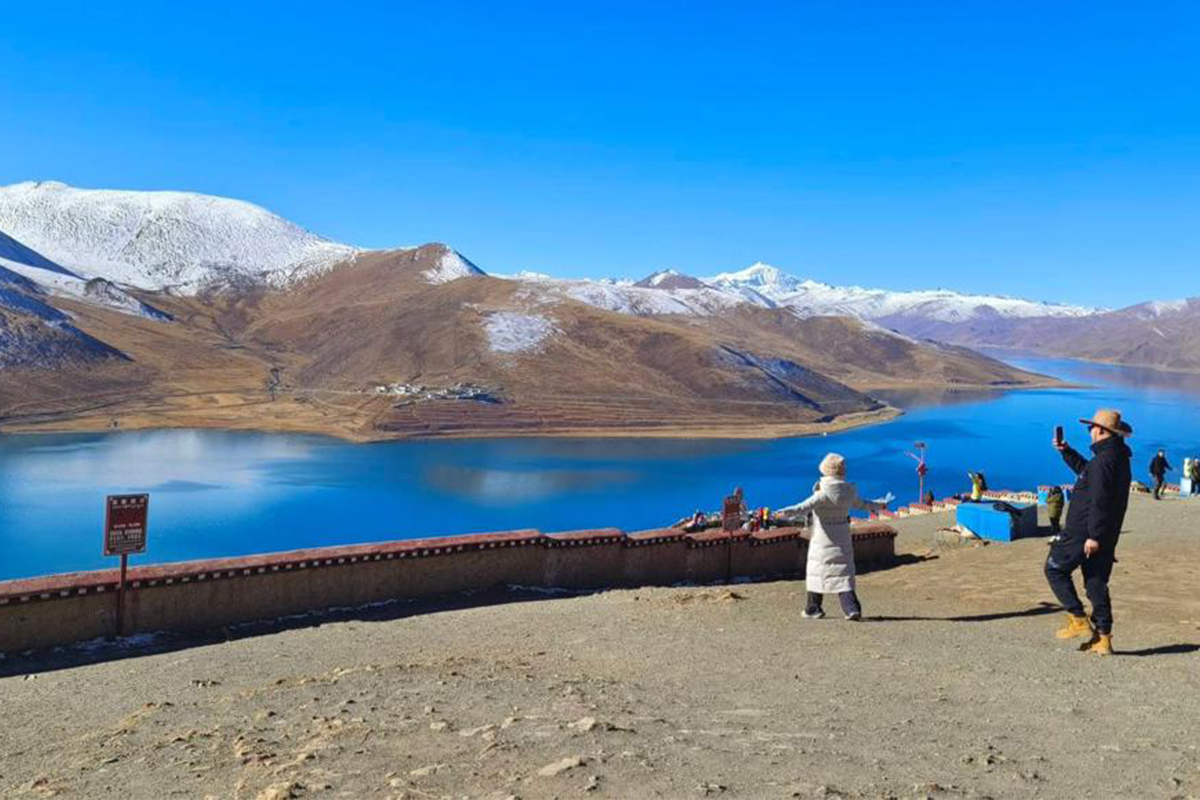
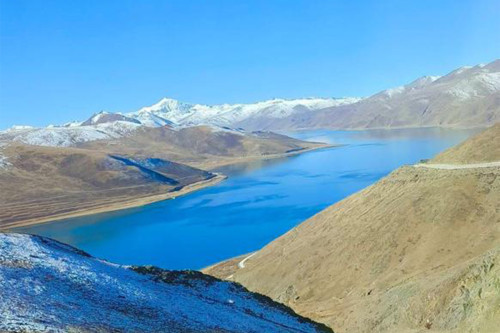
Marvel at Yamdrok Lake, one of Tibet's three sacred lakes
-
Discover the stunning Kumbum Stupa and Tashilhunpo Monastery
-
Enjoy scenic drives through high passes, valleys, and villages
-
Gain deep insight into Tibetan Buddhism and local life
-
Professional Tibetan guide for authentic local experiences
-
Spring (April to June): Clear skies, blooming landscapes, and pleasant temperatures.
-
Autumn (September to October): Ideal weather with sunny days and great visibility.
Avoid traveling in winter (November to February) due to extreme cold and possible road closures, and July-August can be rainy.
FAQs
Yes, all travelers need a Tibet Travel Permit, which we arrange for you after you confirm your booking.
No, independent travel is not allowed in Tibet. You must be part of an organized tour with a licensed guide.
You can fly or take a train from major Chinese cities (like Chengdu, Beijing) or fly from Kathmandu, Nepal.
Yes, Tibet is at high altitude. We design the itinerary to help with acclimatization. Staying hydrated and resting on arrival helps.
Standard 3-star hotels with basic modern amenities and breakfast. Upgrades to 4-star or boutique hotels are available on request.
Yes, vegetarian options are available in most restaurants, though choices may be limited in remote areas.
Most hotels in major towns have Wi-Fi, but internet speed can be slow and access to certain websites (e.g., Google, Facebook) is restricted.
Cash is preferred, especially in smaller towns. Major hotels may accept cards, but carry enough Chinese Yuan.
Tipping is not mandatory but is appreciated. A general guideline is USD 5–10/day for guides and USD 3–5/day for drivers.
Yes, Tibet is generally very safe for tourists. Just follow local rules, respect cultural norms, and stay with your guide.
-
Valid passport and Chinese visa
-
Printed copy of Tibet Travel Permit (provided by us)
-
Warm clothes (layers, down jacket, gloves, hat)
-
Comfortable walking shoes
-
Sunglasses and sunscreen
-
Lip balm and moisturizer (Tibet is dry)
-
Personal medications and a basic first-aid kit
-
Water bottle (refillable)
-
Snacks for long drives
-
Camera with extra batteries
-
Flashlight or headlamp
-
Toiletries (wet wipes, tissues, sanitizer)
Similar trips